Prologue. The Man Who Never Wore a White Coat

Some people enter a profession through the front door: a degree, a residency, certificates, a white coat, a name on a plaque. Others slip in through the back — not because they don't belong, but because they don't look for the easy way. They come from the other side. From the street. Armed with the question "how does this actually work?" and the stubbornness of a determined self-taught person, they stand shoulder to shoulder with the professionals.

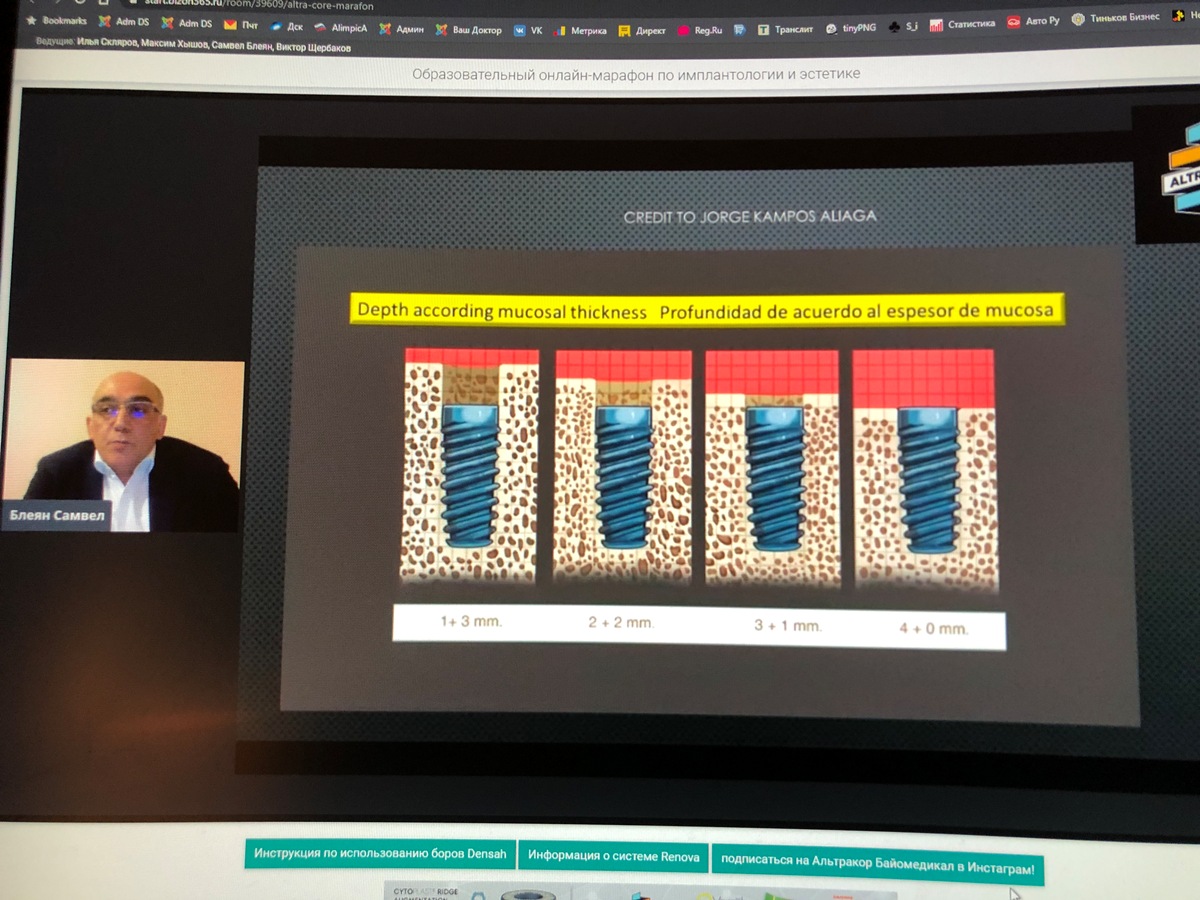
Aliksan was not a surgeon. He had no medical education. No one ever called him "doctor." But if you had heard him talk about implant placement and primary stability, about the critical bone thickness around an implant, about the importance of low RPM during bone preparation, about the final drill diameter for soft bone — you would have sworn you were speaking to a practicing implantologist with ten years of experience.

"How do you know all this?" Alexei Ryabov asked him once — one of Straumann's most renowned mentor surgeons, a man they call "the surgeon's surgeon."

"Surgeon friends were always talking about it in the car, and I'd sit in the back seat and listen," Aliksan replied. "Then I got curious and started watching webinars by Damir Mukhamadiev and Taras Yurov. It was fascinating — I didn't miss a single stream. By the way, Alexei, when are you going to write me a review for my website?"

Ryabov laughed — and sent the review. Detailed, honest, professional.

This story is not about websites. And not about dentistry. It is about how a man who had no right to speak the language of surgeons came to love dentistry, absorbed the logic of surgery to the level of a practising physician — and built on that not just a business, but a bridge: between the internet and the operating room, between Russia and Armenia, between an illustration in a brochure and the real life of a patient.

This is the story of Aliksan Telnov.

2017.
The Moika Embankment and a Surgeon Friend

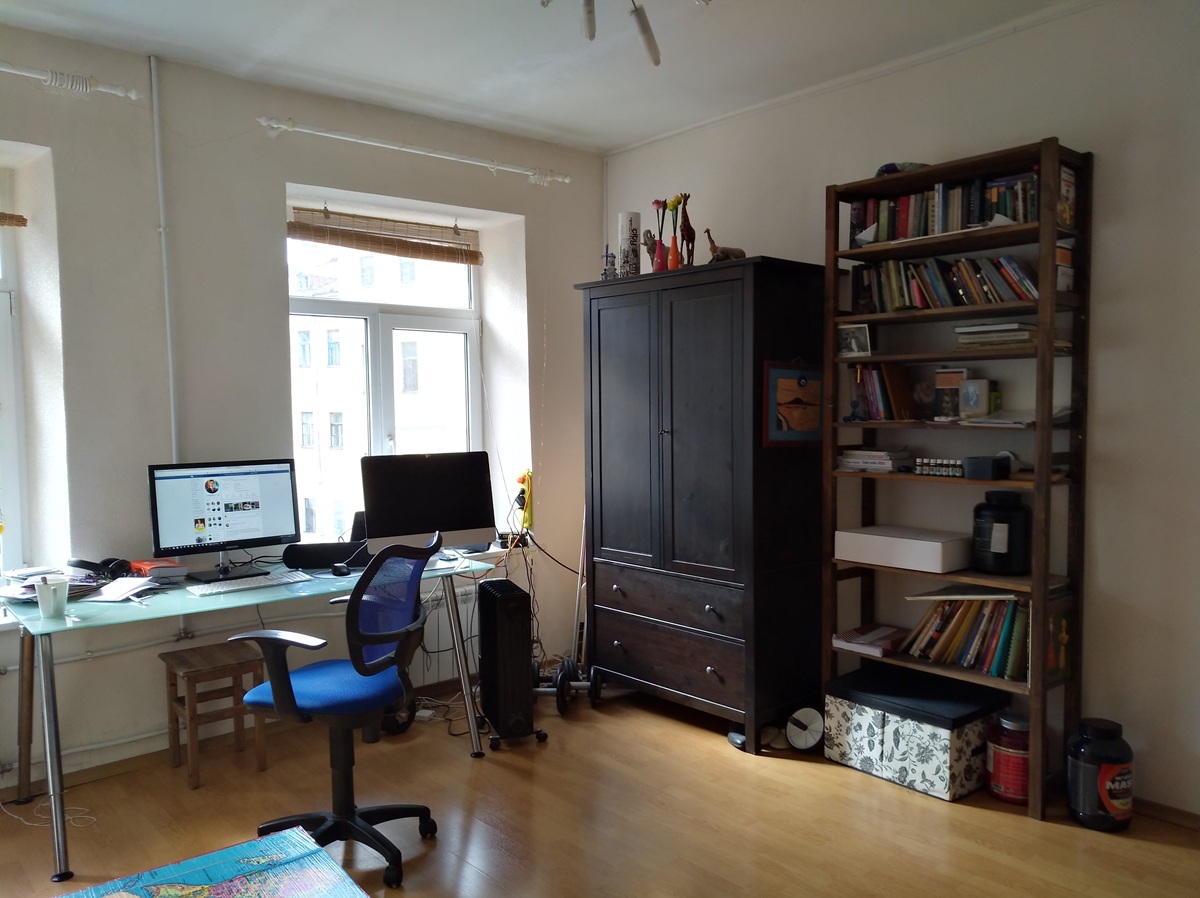
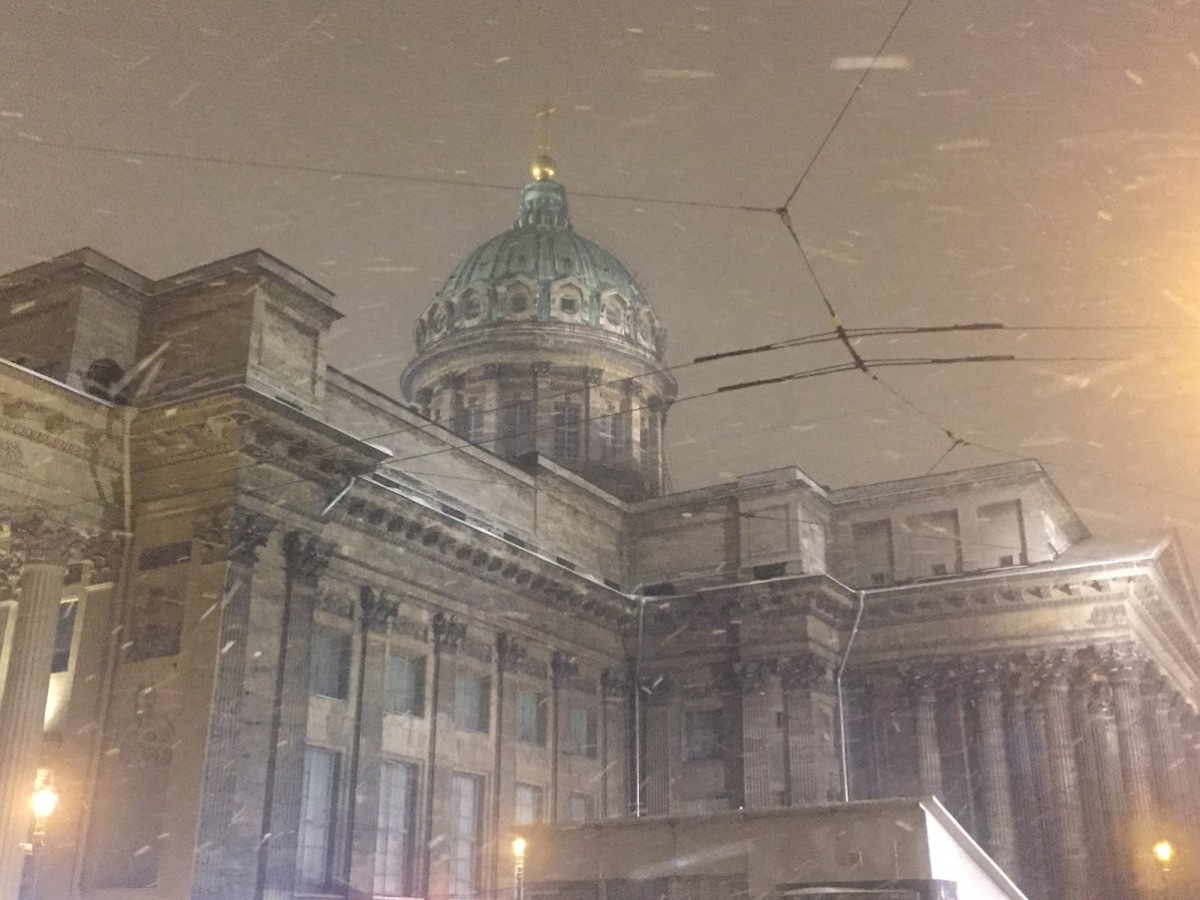
St. Petersburg. The embankment of the Moika River. An apartment with high ceilings and a view of the Capella courtyard.

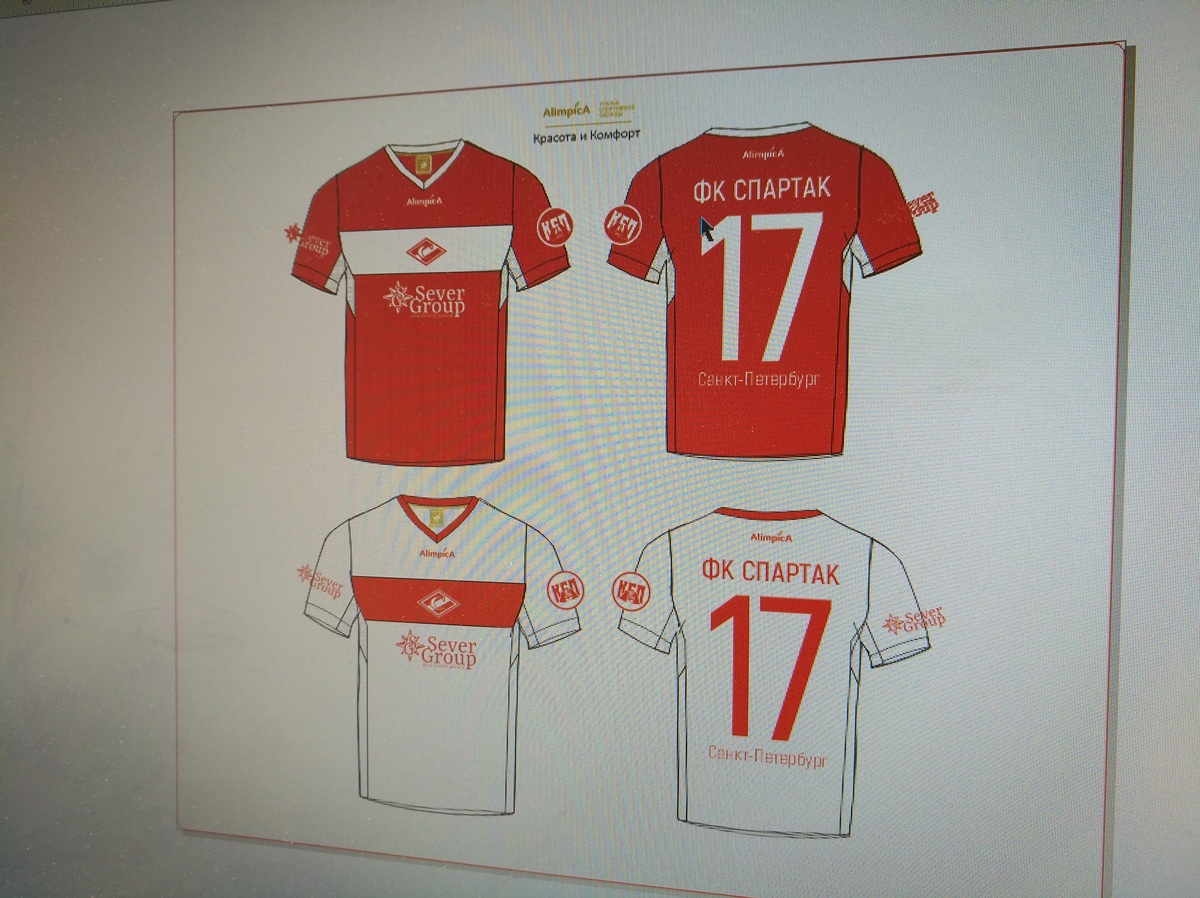
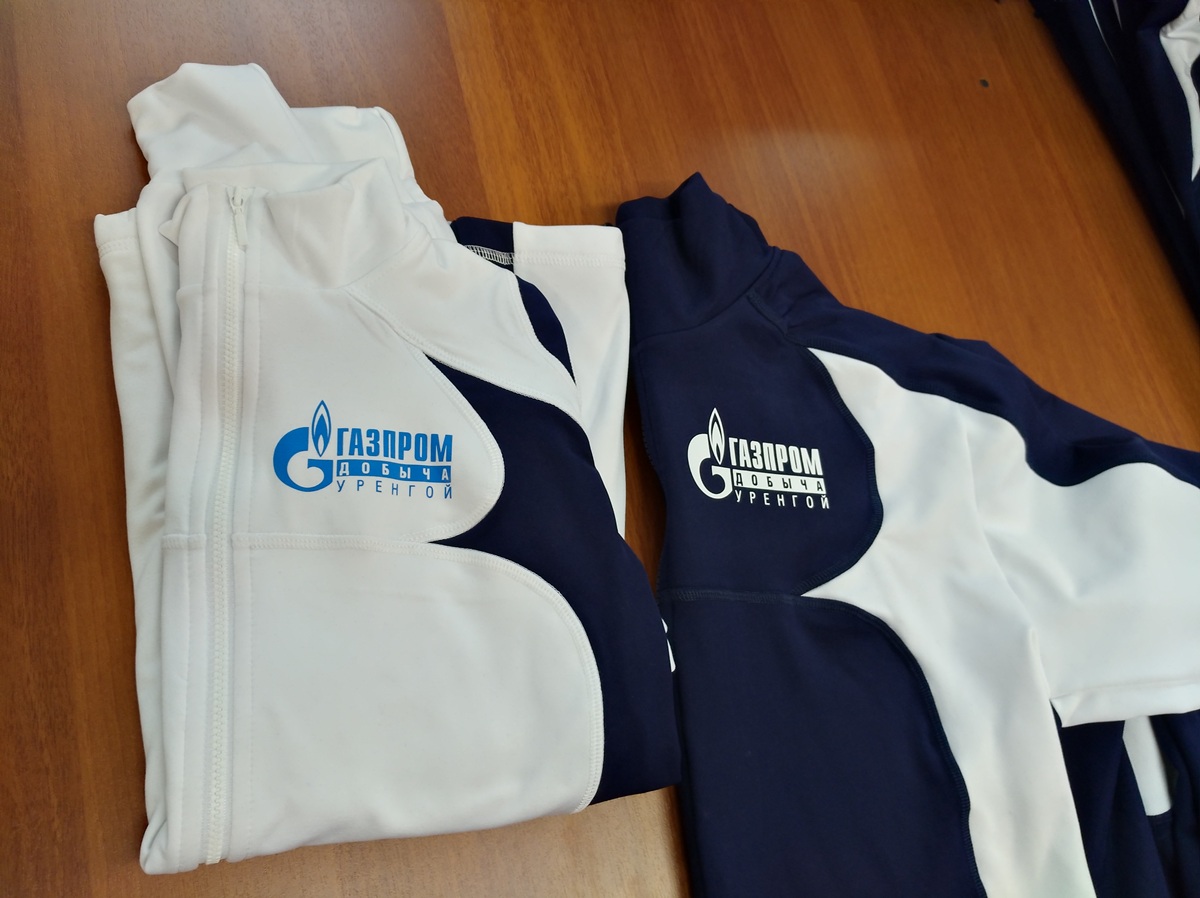
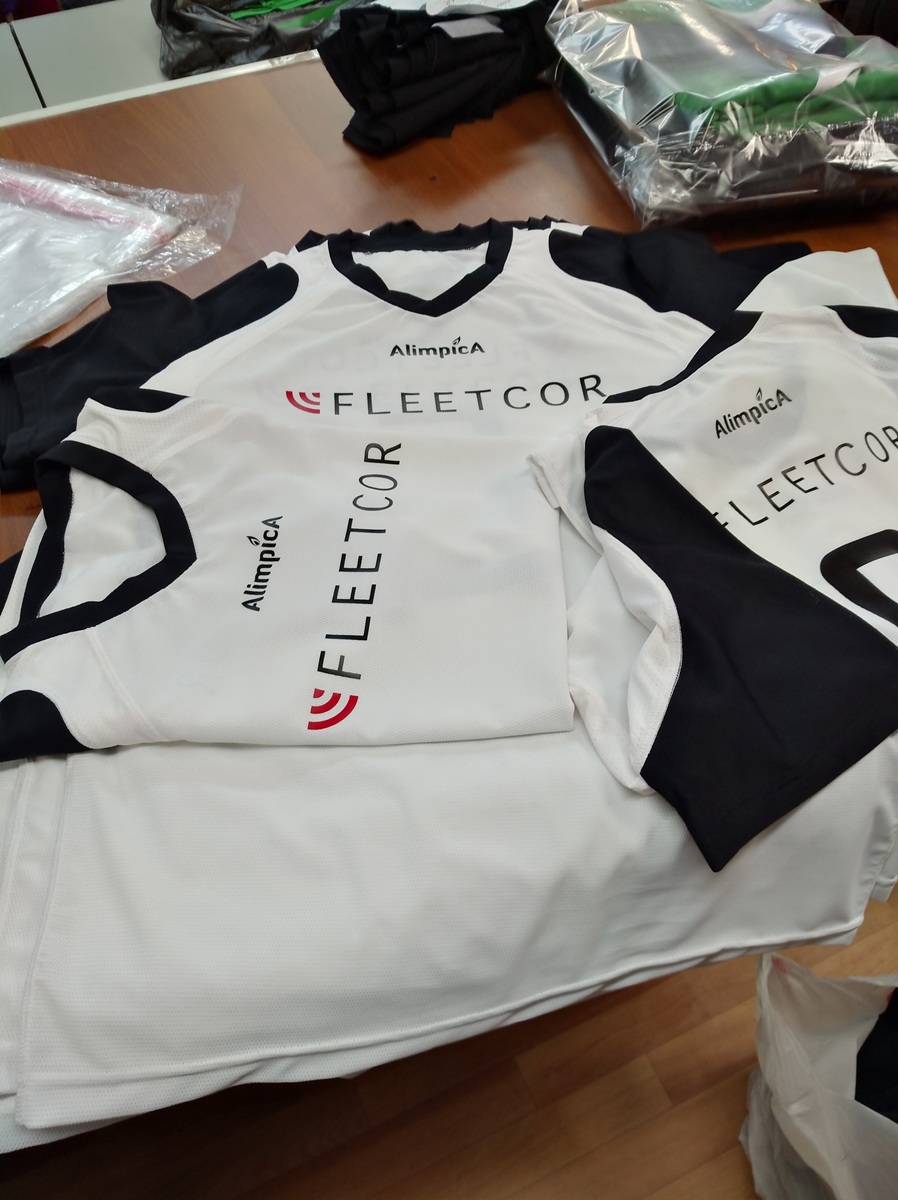
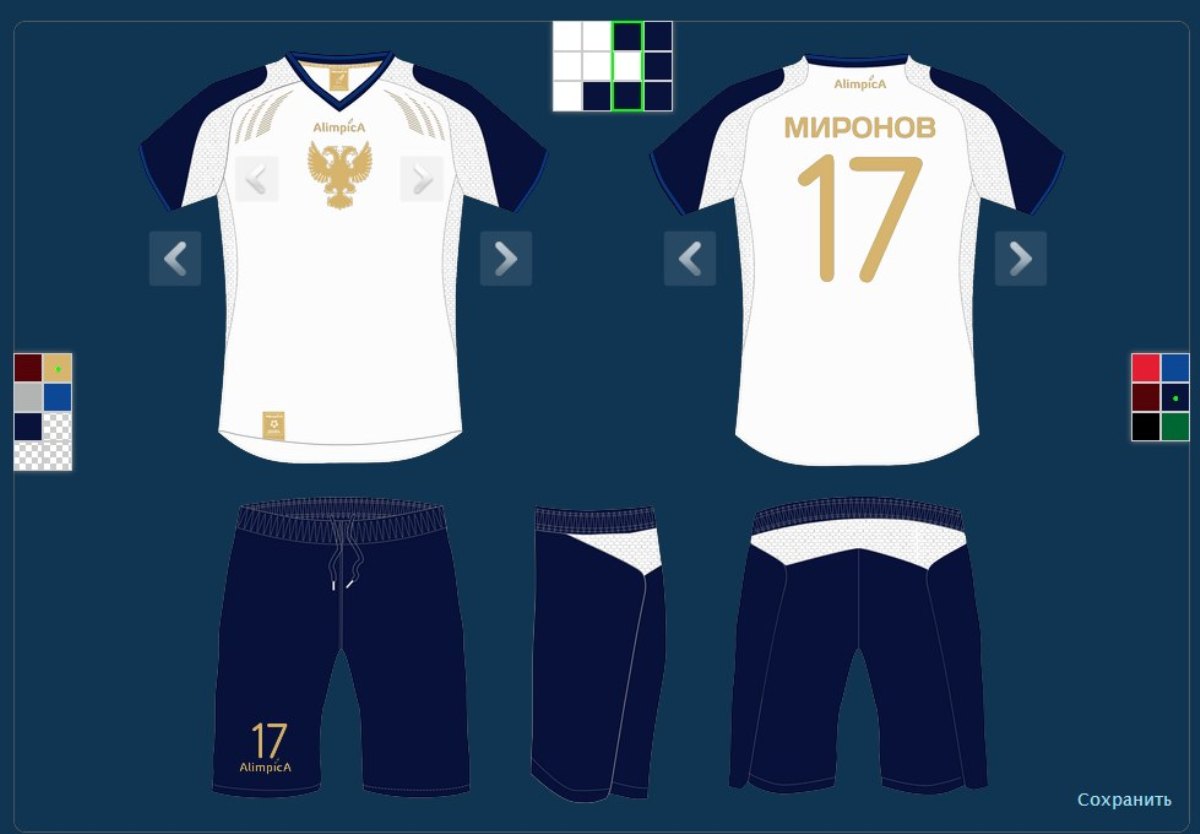
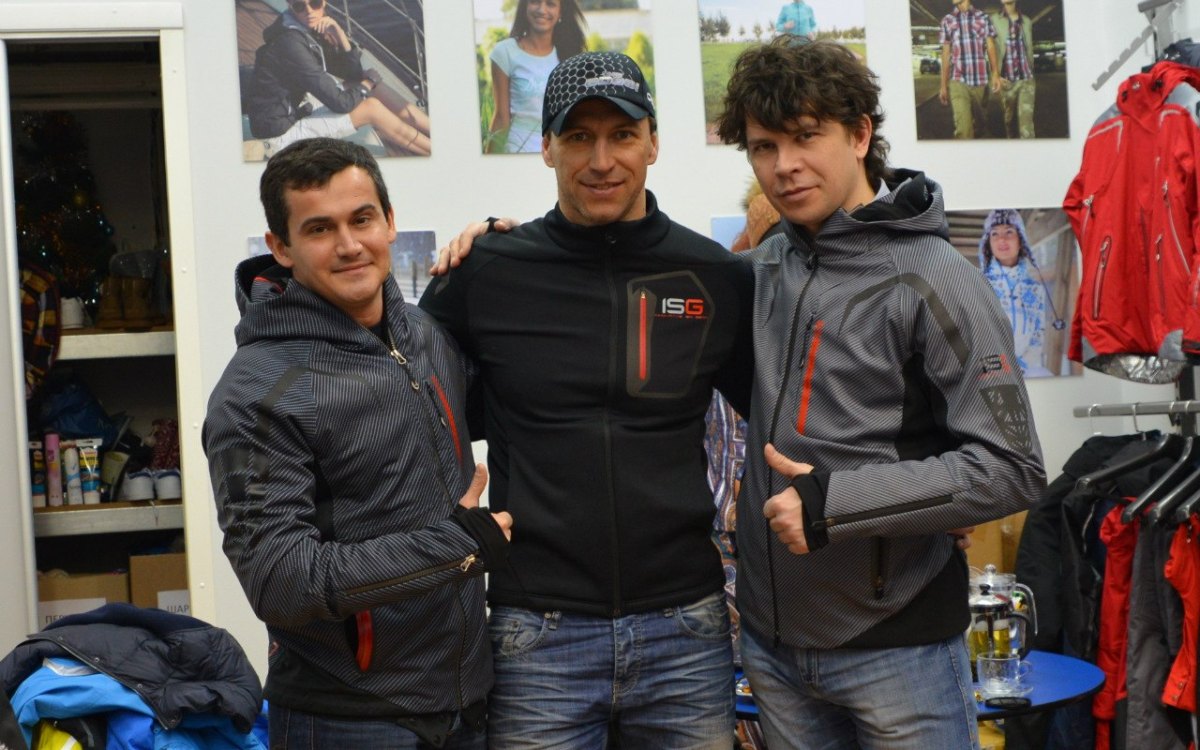
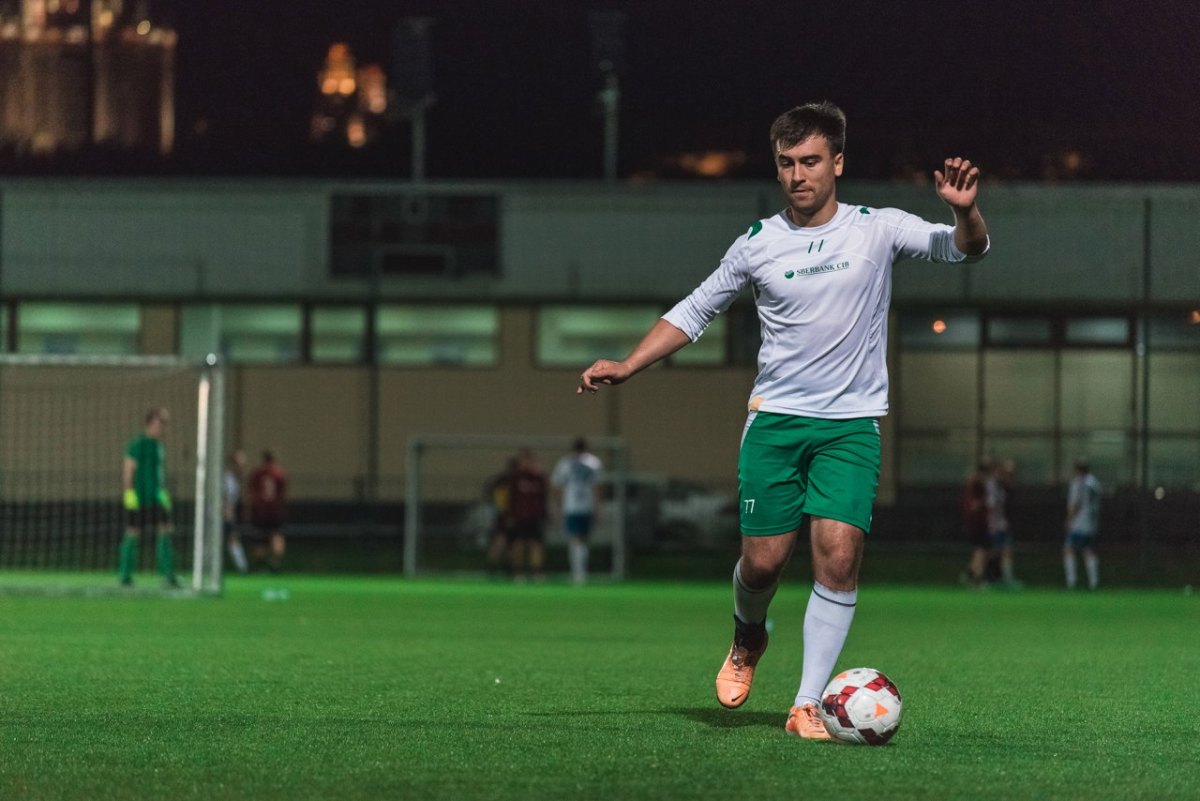
Aliksan was sitting at his computer at three in the morning. In front of him — a website mockup. Not for dentistry — for football kits. He manufactured premium professional sportswear for major clients: Sberbank, Gazprom, large trade unions. He borrowed design ideas from Italian companies and did much of the work himself. He loved fabric, texture, a good fit and precise patterns — he loved it when something beautiful emerged from a roll of cloth.

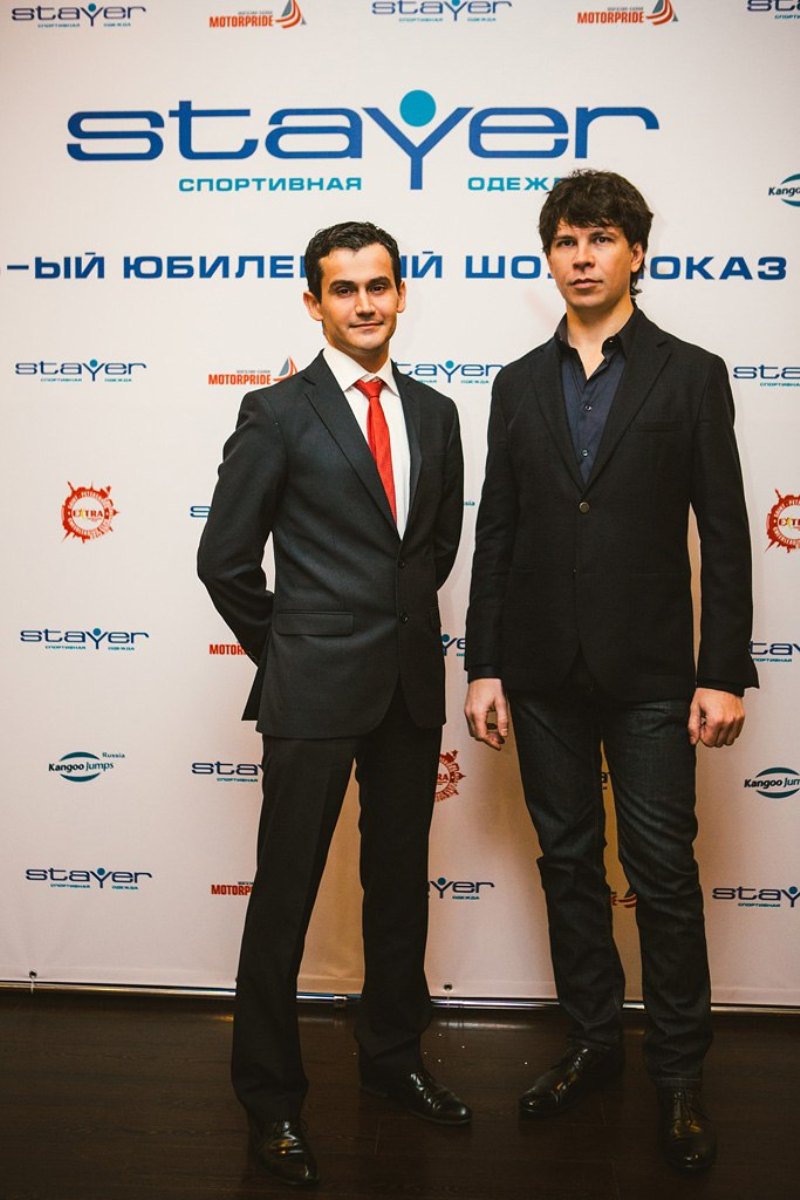
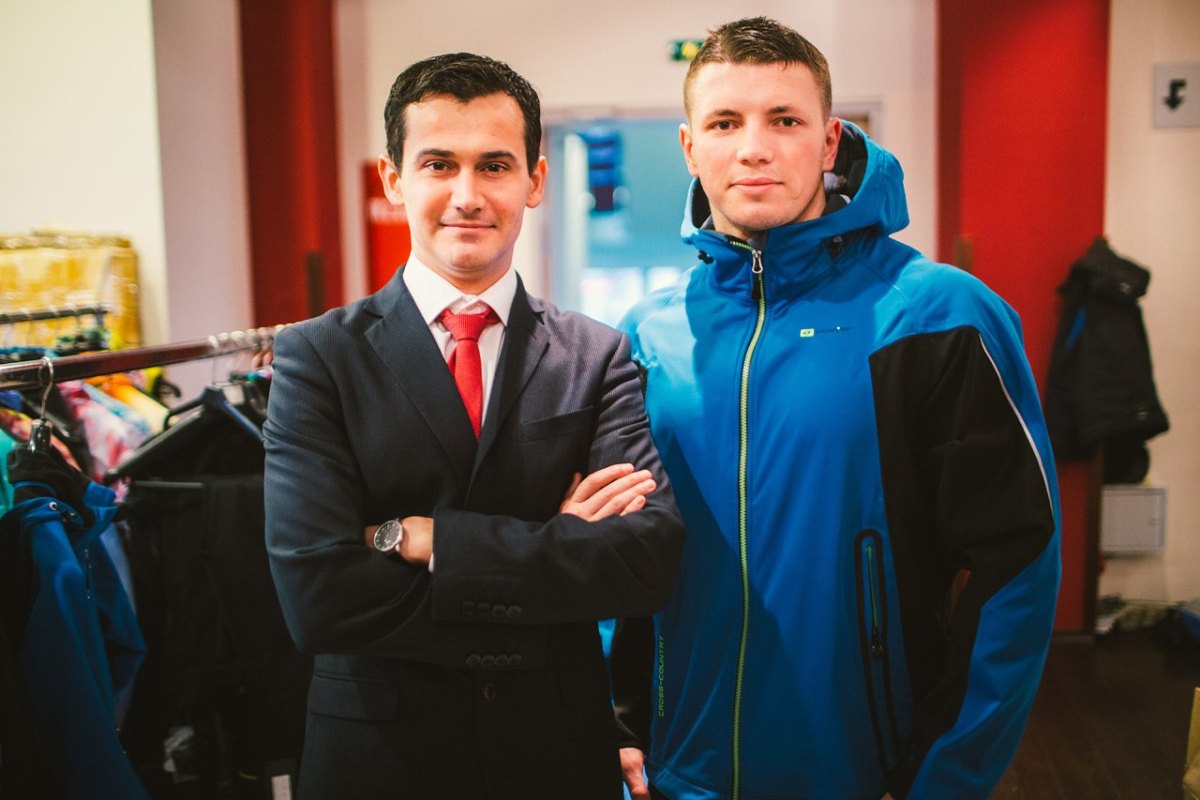
There was also STAYER, an online ski-wear shop. Aliksan first sold their clothing himself, then received an offer to head the company's entire online operation. He accepted it, taking an equity stake. Competition with the big stores? Bring it on. Aliksan pushed the site to the top of Yandex. He wrote the descriptions himself, found models himself, shot the photos himself, and supervised the development himself.

He was simply one of those people who can't do things halfway. If he took on a project, he threw himself into it completely. All the way to the bottom.

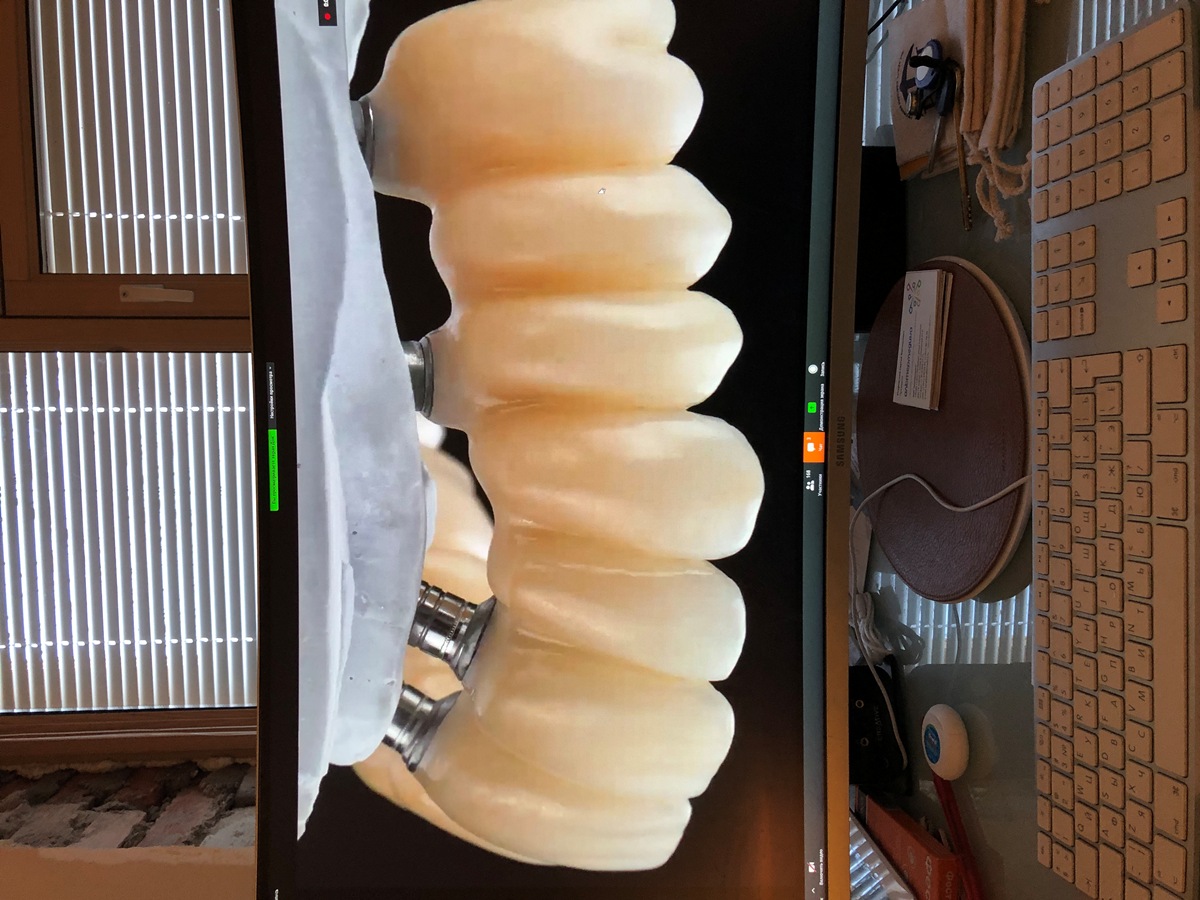
His friend's name was Georgy. Though the name doesn't matter. What matters is that he was a dental implant surgeon — not the kind who works fast and leaves the office looking like he's saved the world. No. Georgy was the kind who loves and understands surgery. Who doesn't miss a single educational congress. Who can explain to a patient the difference between good surgery and simply placing an implant — and that difference cannot be measured in money.

"Make me a website," said Georgy.
"What kind?"
"Personal. For me as a doctor.

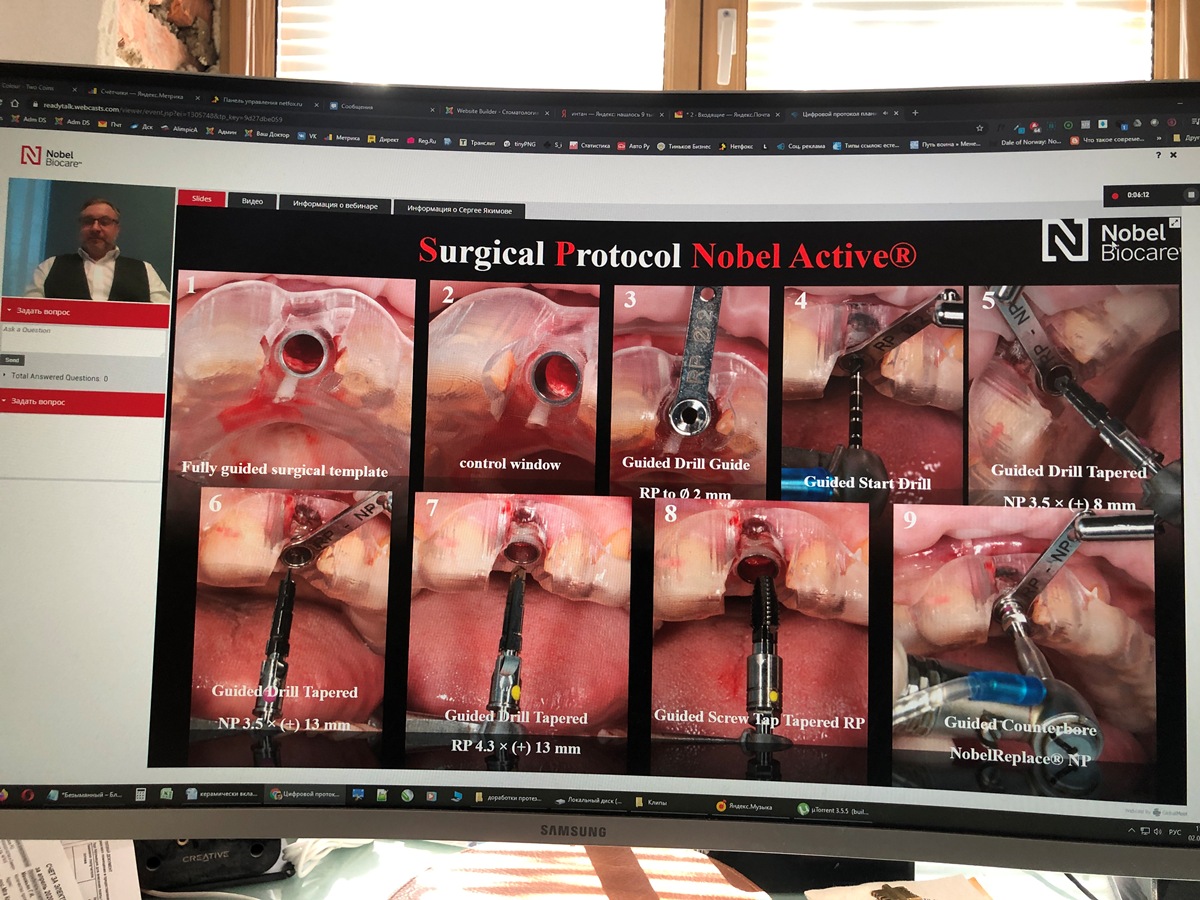
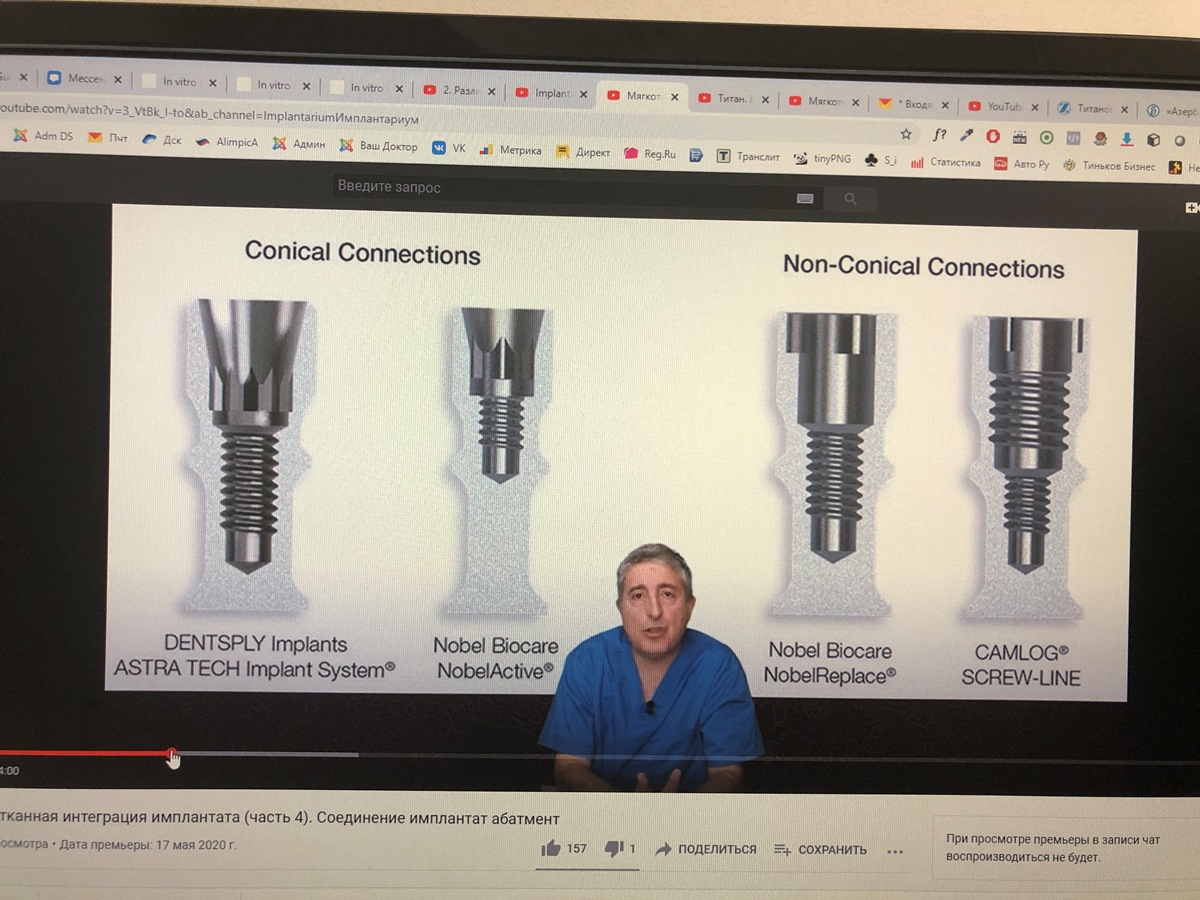
They didn't know then that this project would last several months. That his friend would come over on weekends, bringing printed X-rays, before-and-after photos, Nobel BioCare brochures. That they would sit up until midnight going through surgical protocols.

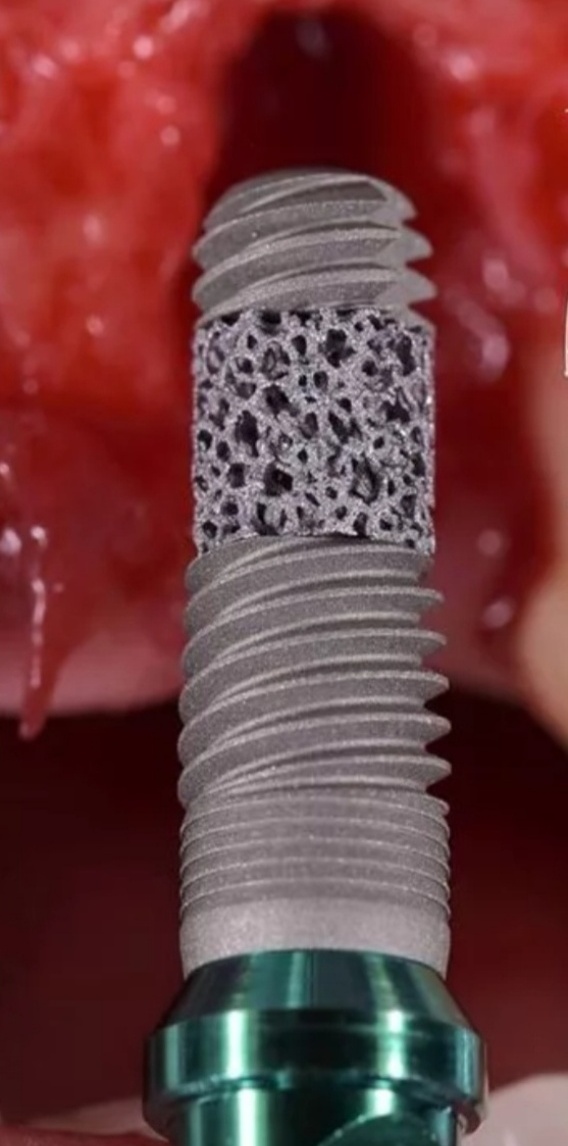
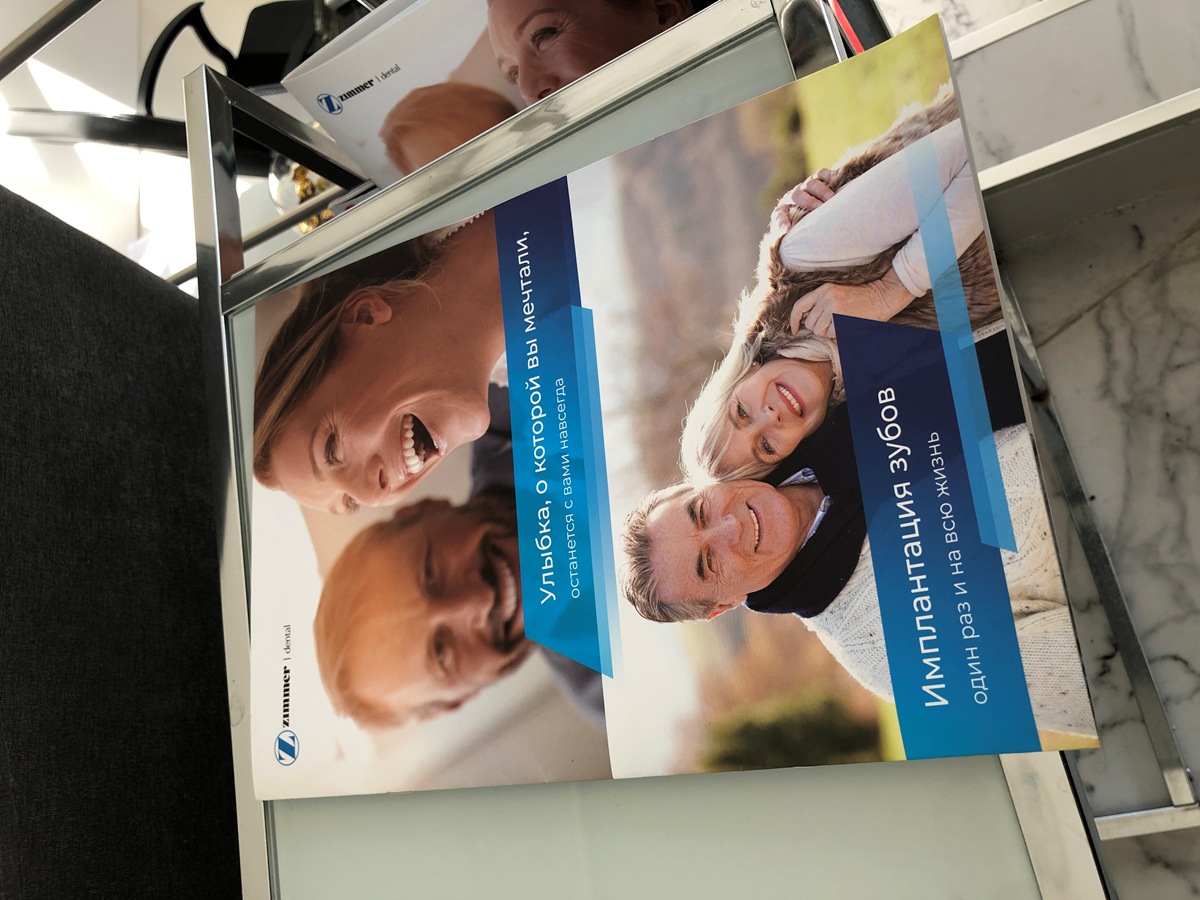
"Look," Georgy would say, tracing his finger along an illustration. "Here's the implant. Here's the bone. The point isn't just to place it. The point is to preserve the bone and its blood supply around the implant. Less than two millimetres and resorption begins.

When the site launched, Georgy called three weeks later.

"Patients say the website is great. Bookings through the contact form have started coming in. Thank you."
"Don't mention it," said Aliksan.

And he thought: "That's interesting. Maybe this is more than just a favour for a friend."

But he didn't give it much thought at the time. He had his own business — football kits. And he went back to it.

Fabric, Burnout and Fatigue

The football kit business was more than income for Aliksan. It was love. He loved the product. He loved beautiful design. He loved it when a footballer put on a kit he had created and sent back photos from the competition.

The clients were serious — major corporations, large trade unions. He would make their sportswear for company tournaments and then silence would fall. Half a year or a year — not a single call. Bolts of fabric sat in his flat and office. Fine, expensive Italian CARVICO materials — a quarter of his revenue

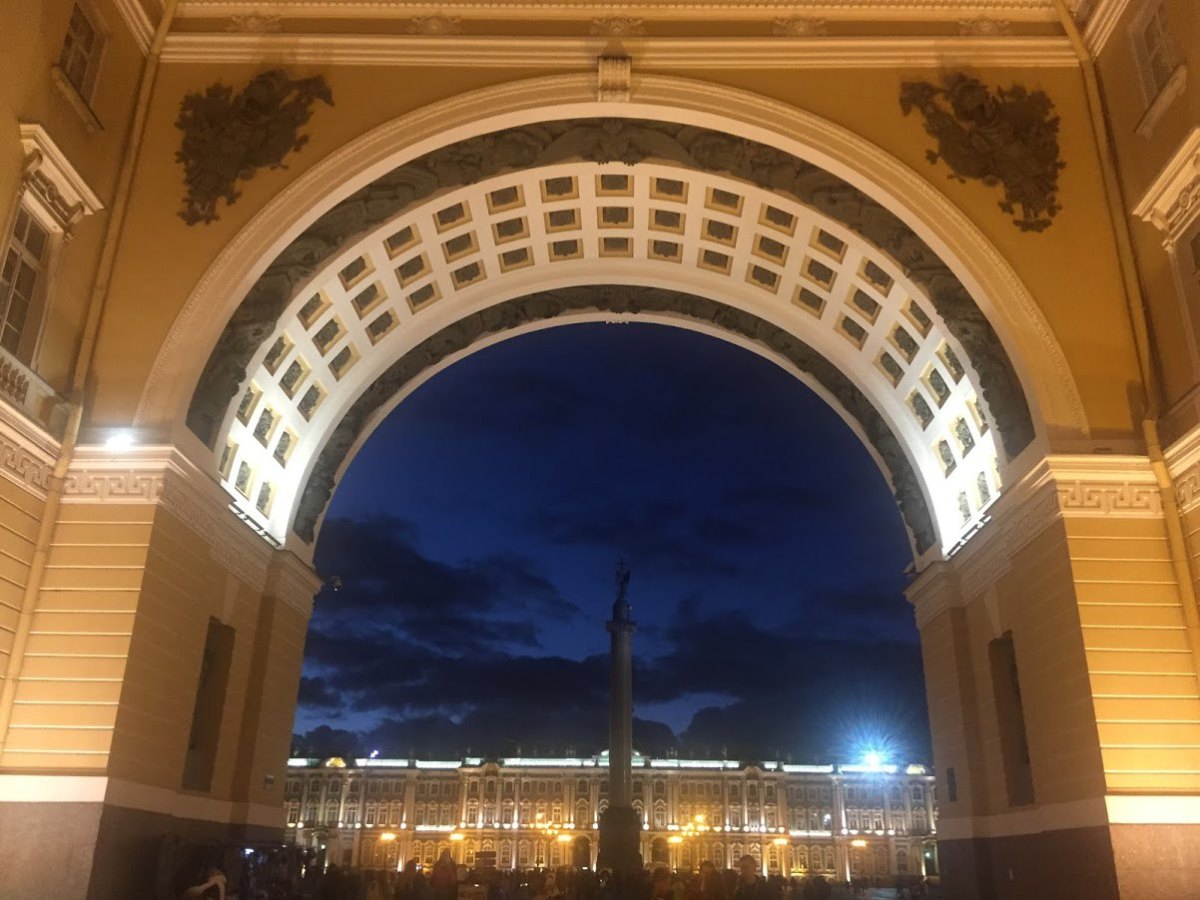
He walked out to the Moika embankment. That evening a fog hung over the city, and the Hermitage looked like a ghost ship sailing off into the Neva. Aliksan walked slowly and thought.

"What do I need? A new business. But not one where I buy five colours of fabric for a client to choose one. One where I create something once — and sell it many times. Where the product is intellectual property. An idea. A structure. Knowledge."

"The market must be large. Not just Russia — the whole world. And the price must be high."

He stopped at the Singing Bridge over the Moika. He looked at the water. And it hit him.

"If I built a website for Georgy — an implant surgeon — and if that website works well, why not build the same kind of website for another surgeon? And a third?"

"The protocols are the same in Russia, America, Europe, Asia. The same implants. The same drills. The same techniques. If everyone does the same thing, then the way that work is presented can be the same too. Why should every clinic reinvent the wheel?"
First Steps

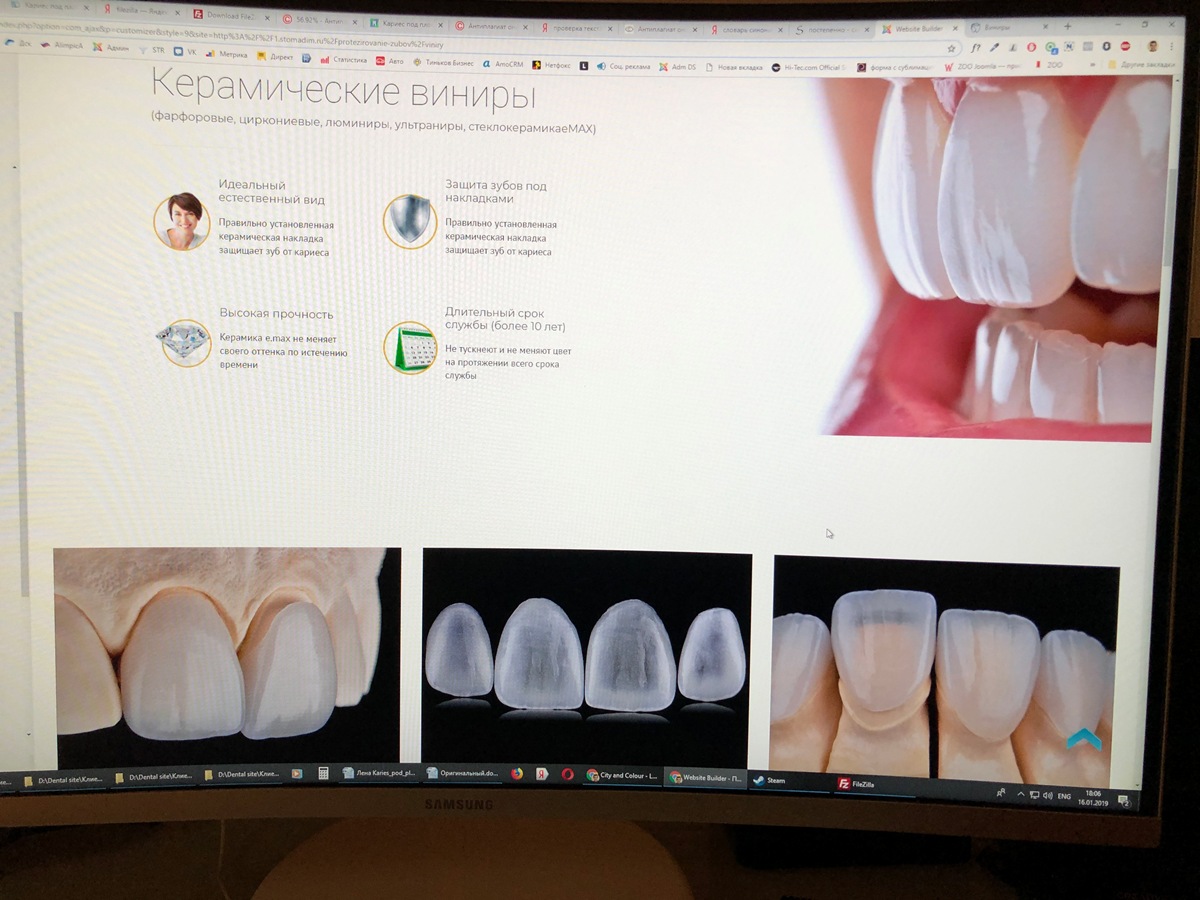
He built a five-page website. A homepage, about the clinic, about the doctors, a contact page, a therapy section, a prosthetics section, a major implantology page, a page on bite correction. Everything clean, precise, focused on trust — no long texts, only the most beautiful illustrations.

He set the price at $150. Laughable money even for 2008, but for him it was the entry point. He ran an ad on a social network. On the very first day an order came in.

Aliksan couldn't believe it. He called the client —

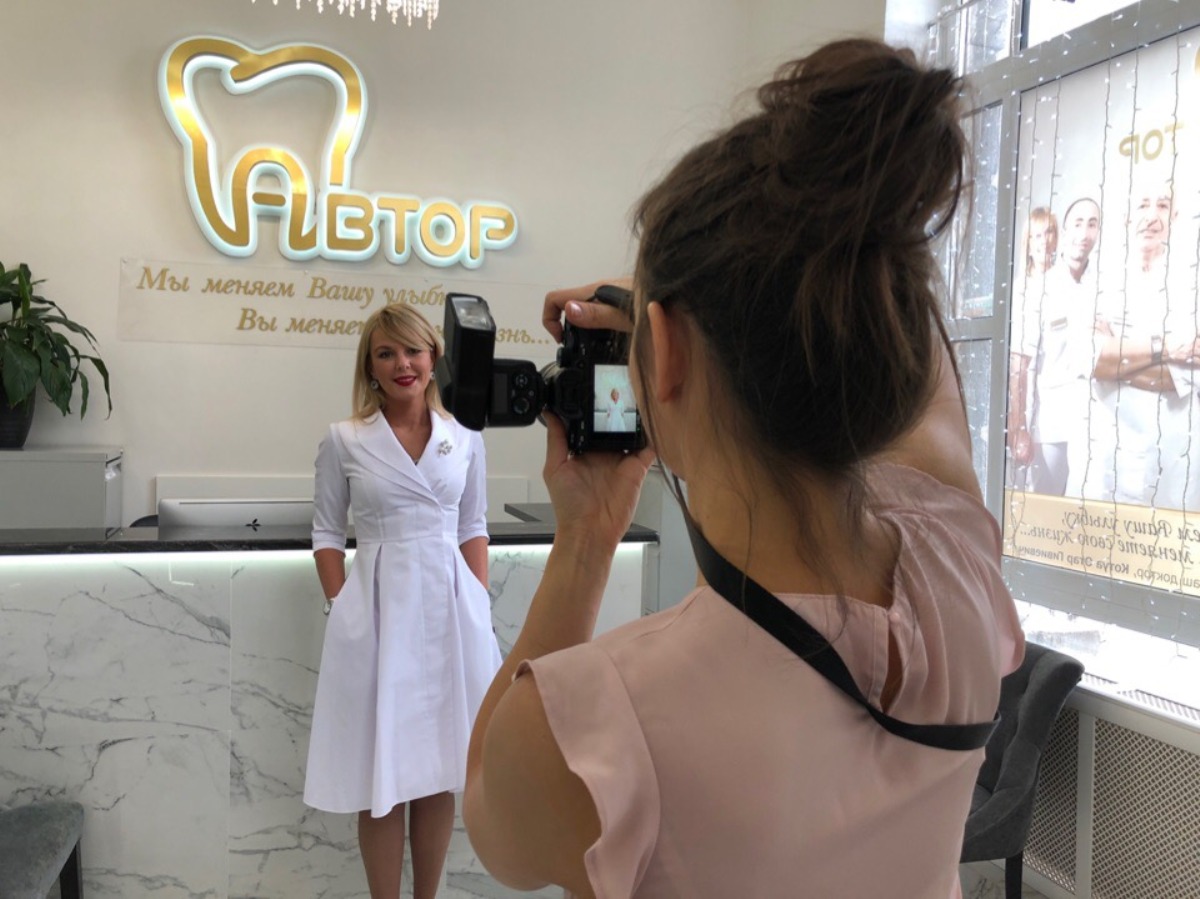
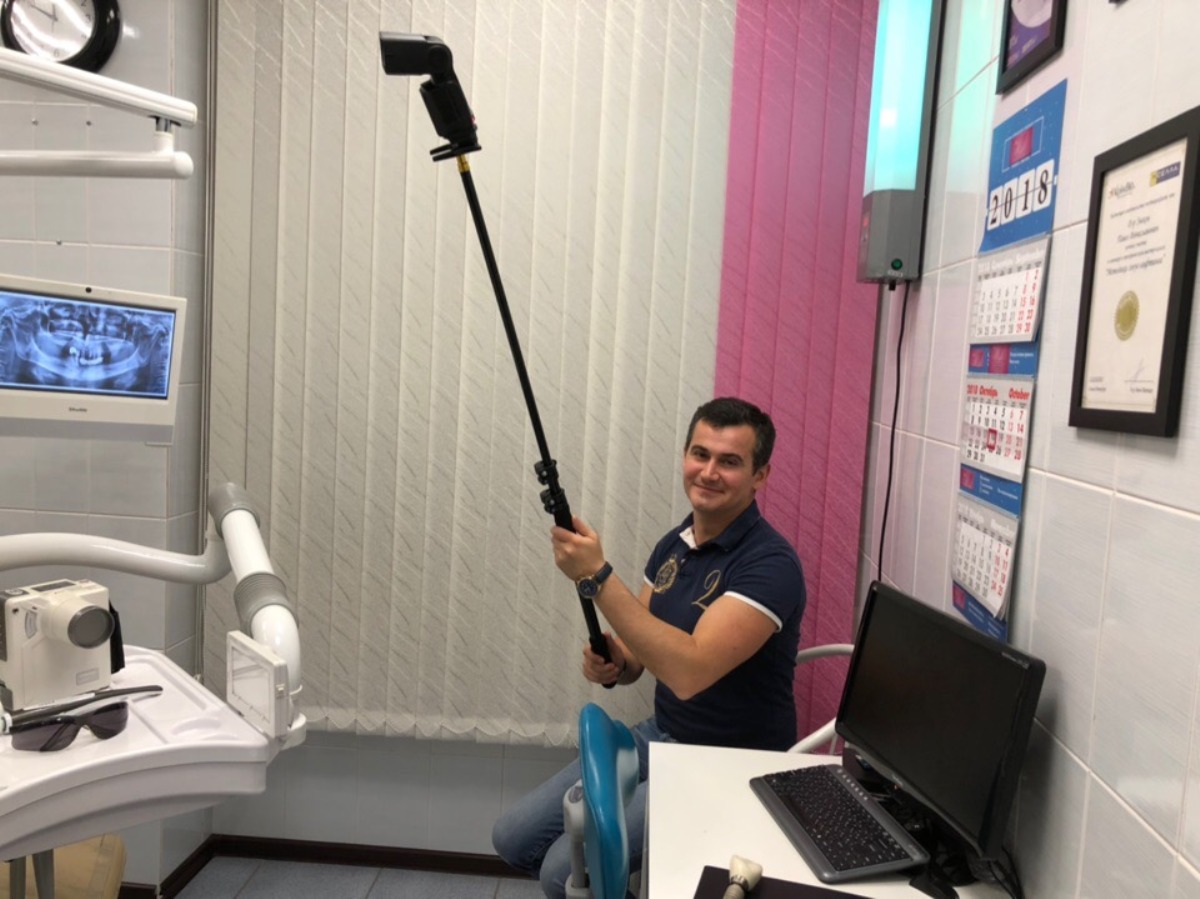
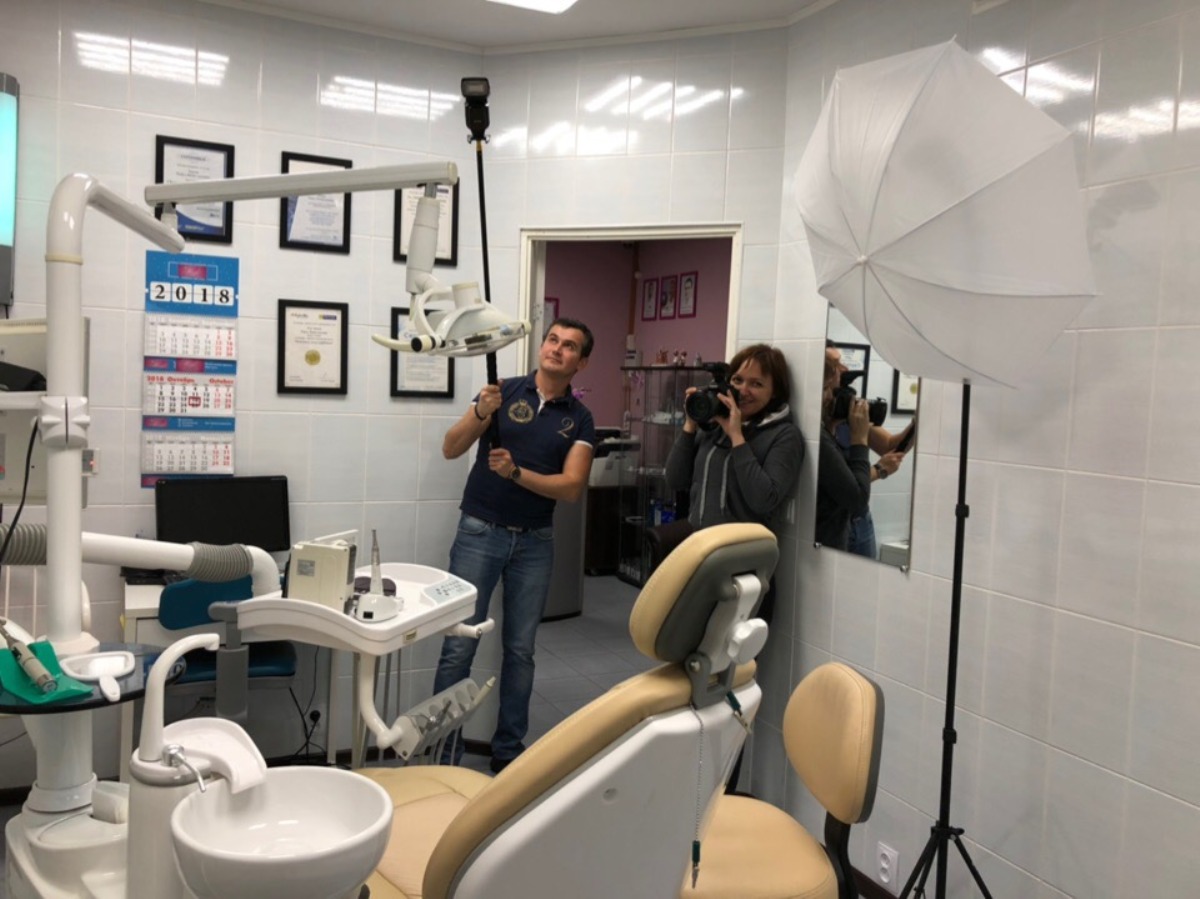
Aliksan knew St. Petersburg's leading photographers and quickly booked one for a shoot. They worked for four hours. Portraits of doctors — not against a wall, but in action. Interiors — cleanliness, order, modern equipment. A consultation — the doctor explains, the patient nods. Aliksan played the patient that day, and would do so many times after.

That trip gave birth to a major article: "How to Run a Dental Clinic Photo Shoot Properly." Written with technical detail —

But five pages were not enough. He realised this when he began analysing search queries. People searched for dentistry in many different ways. Every query is a person who needs a specific service. If a clinic has a dedicated page for that service, that person is more likely to call.

Aliksan built the next project at ten pages. Then twenty. Sales picked up. Small clinics across the country started ordering. The first project in the Moscow region. The first project in southern Russia.

He

A 40-Page Website for Major Clinics

Aliksan looked at the websites of major dental clinics — in the capital, with large budgets and professional marketing teams. They had 50 pages or more. Every service detailed on its own page. Every treatment method — its own page. Every doctor — their own portfolio, blog, video testimonials.

"That's what's needed," he said.

The task was enormous. For every service, the copy had to be not medical but reassuring and hopeful. He had to design 150 icons in a unified style. Select over a hundred photo illustrations. Think through calls to action — not aggressive, but caring.

Aliksan rewatched every available surgeon webinar — hundreds of hours. He read dental industry forums. He didn't miss a single live stream.

"Why do you need all this?" Georgy asked. "You're not planning to operate."
"It's interesting to me."

The forty-page website was monumental. The homepage — with a video intro. Services — with dropdown menus and icons. Doctors — with the most detailed personal pages imaginable. All built on a client-friendly CMS, with SEO, structured data markup and mobile responsiveness.

Aliksan set the price at $2,000. For a regional clinic that was serious money. But the website paid for itself in two to three months through new patients from search.

In the first year — 15 websites across Russia.

Zimmer Dental,
Switzerland and the Operating Room

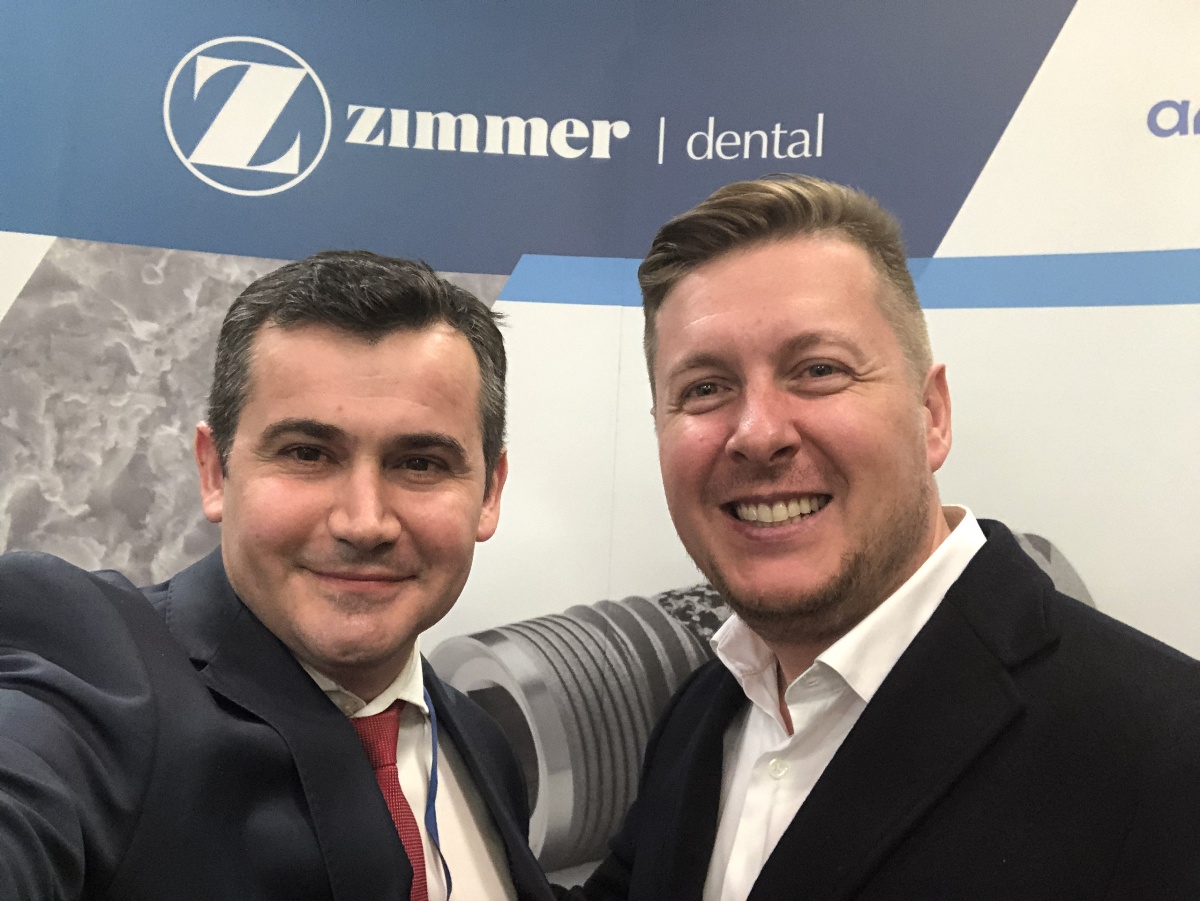
Zimmer Dental — a global manufacturer of dental implants and one of the market leaders. In St. Petersburg they had a distributor who was looking for someone for an important task: building a website to promote the dental system in the Russian market.

They found Aliksan.

"We've been told you make good websites. Is that true?"
"Possibly the best in the world," Aliksan replied. "I'm not a doctor. But I know and understand the logic of doctors and treatment protocols."
"That's enough. Build us a site."

The website turned out at the highest level. But Zimmer wanted more.

"Come and help us sell. Tell doctors about the implants, answer tough questions."

And so Aliksan became a product manager. They visited clinics together. Aliksan handled the clinical side — talking through protocols, benefits, research. When doctors asked difficult questions — about bone grafting, about immediate loading — Aliksan brought in his surgeon friends.

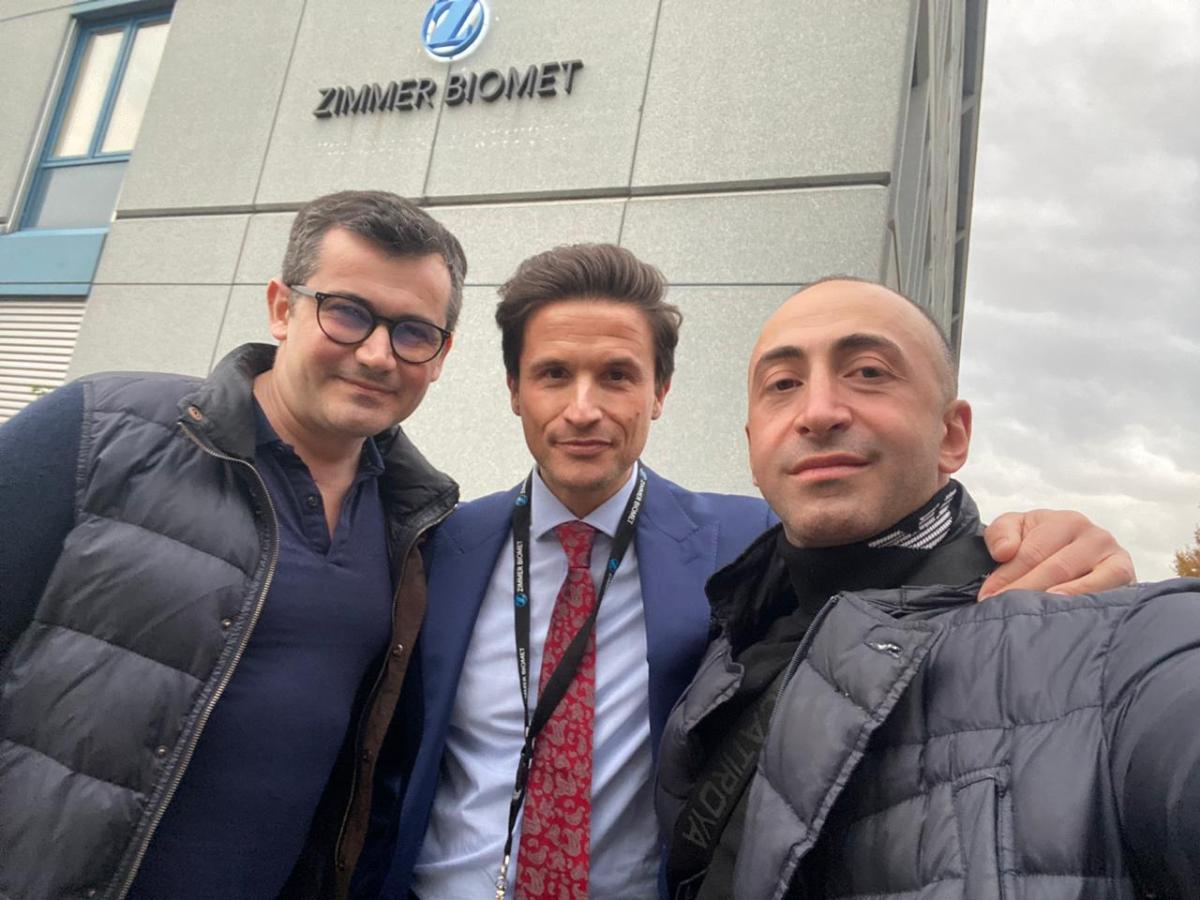
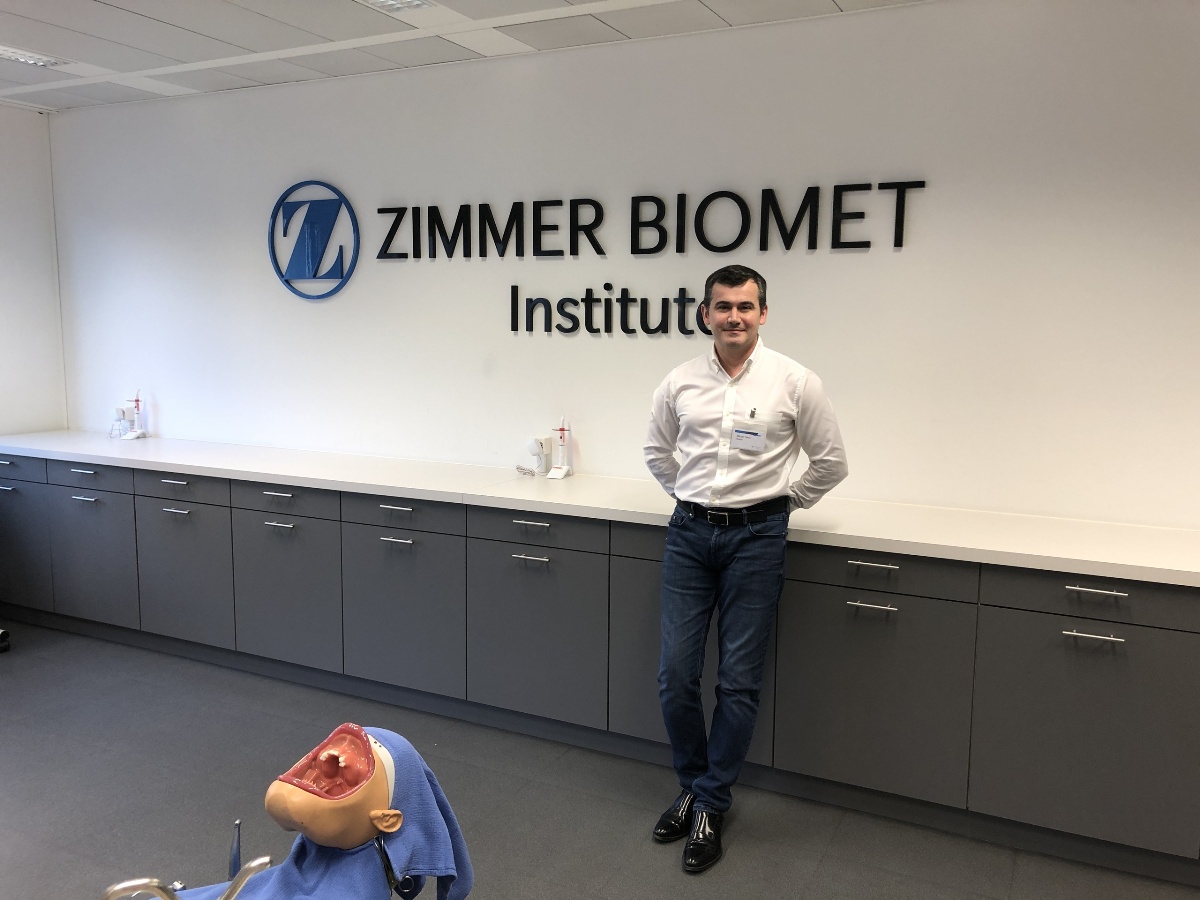
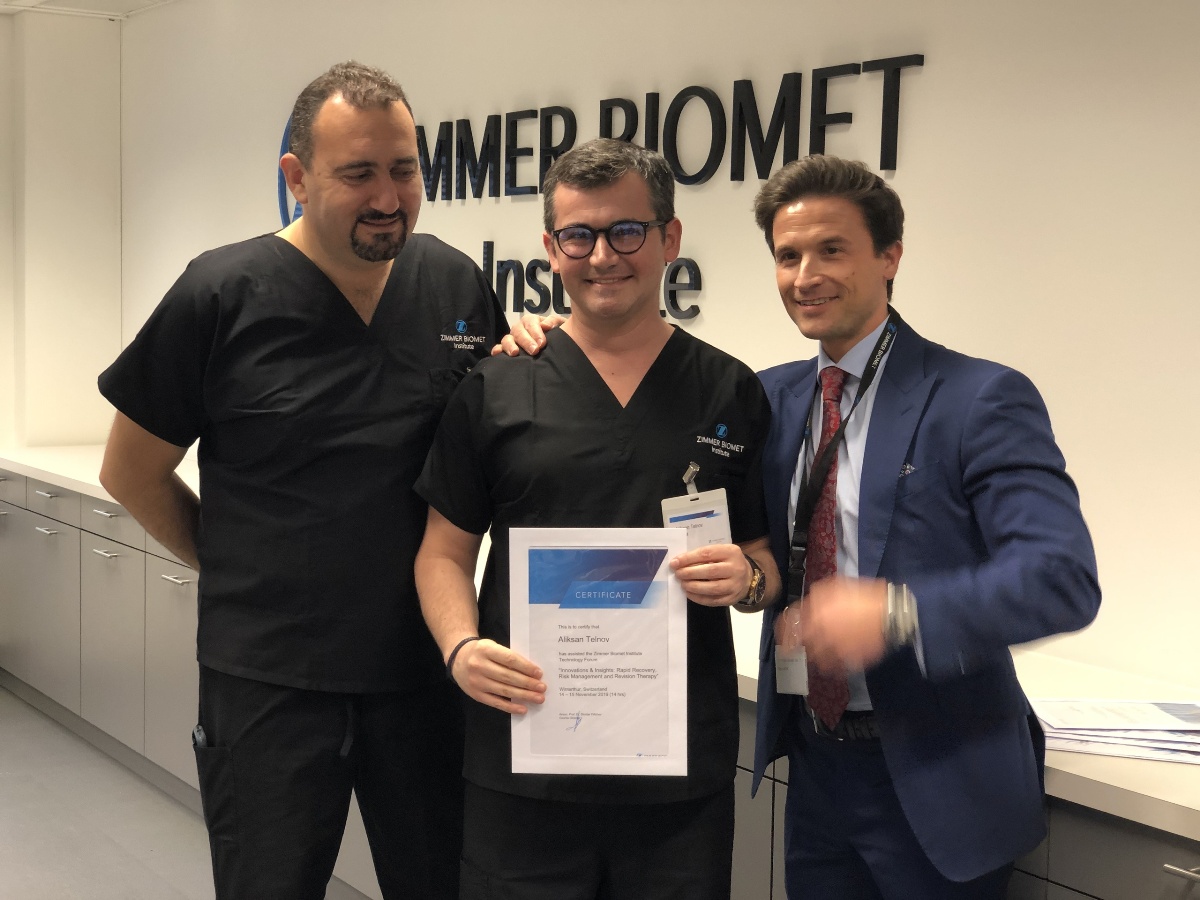
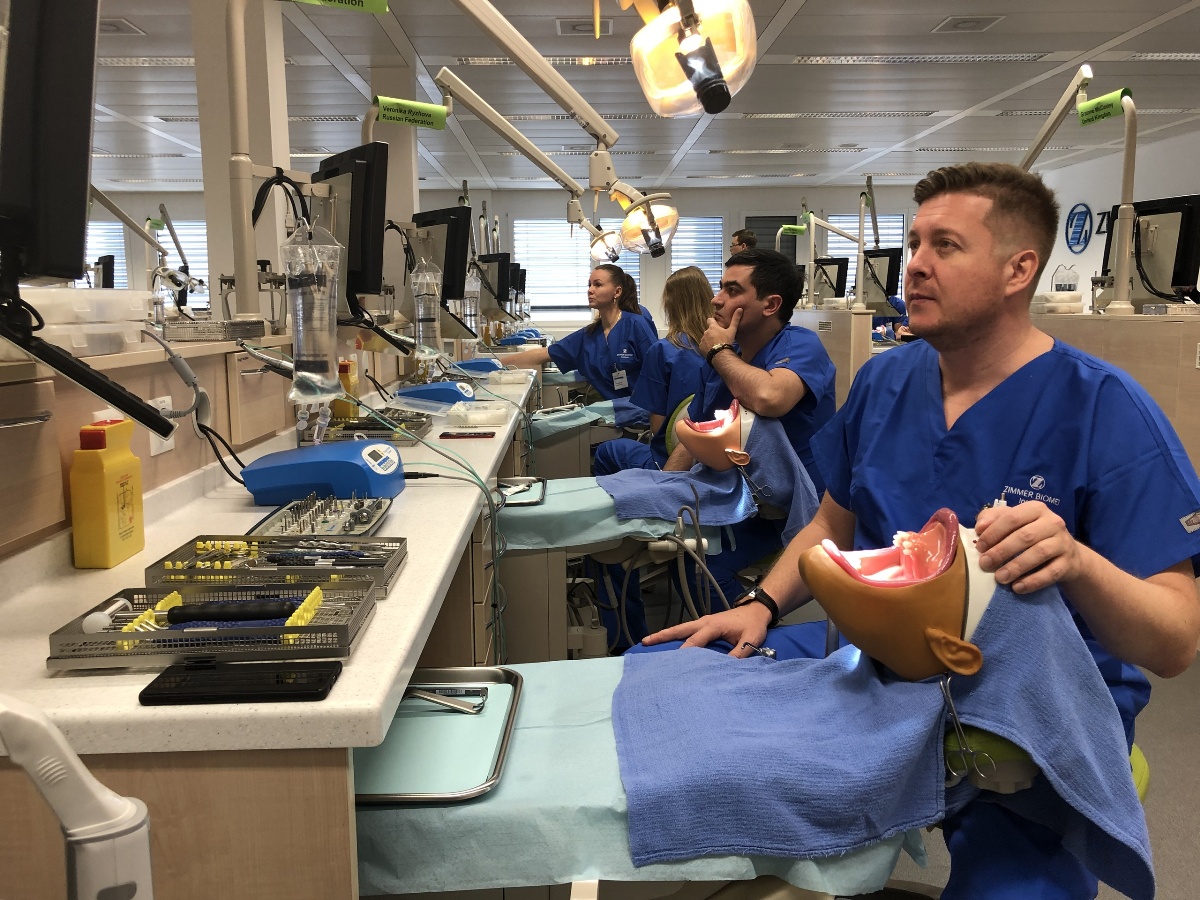
In 2022 Zimmer sent a Russian delegation to Switzerland. Winterthur, the Zimmer Dental Institute. A week of training — theory, hands-on practice, live surgeries, case reviews. The delegation included Aliksan, his surgeon friends Georgy and Mikhail, and several key opinion leaders from Russia's dental industry.

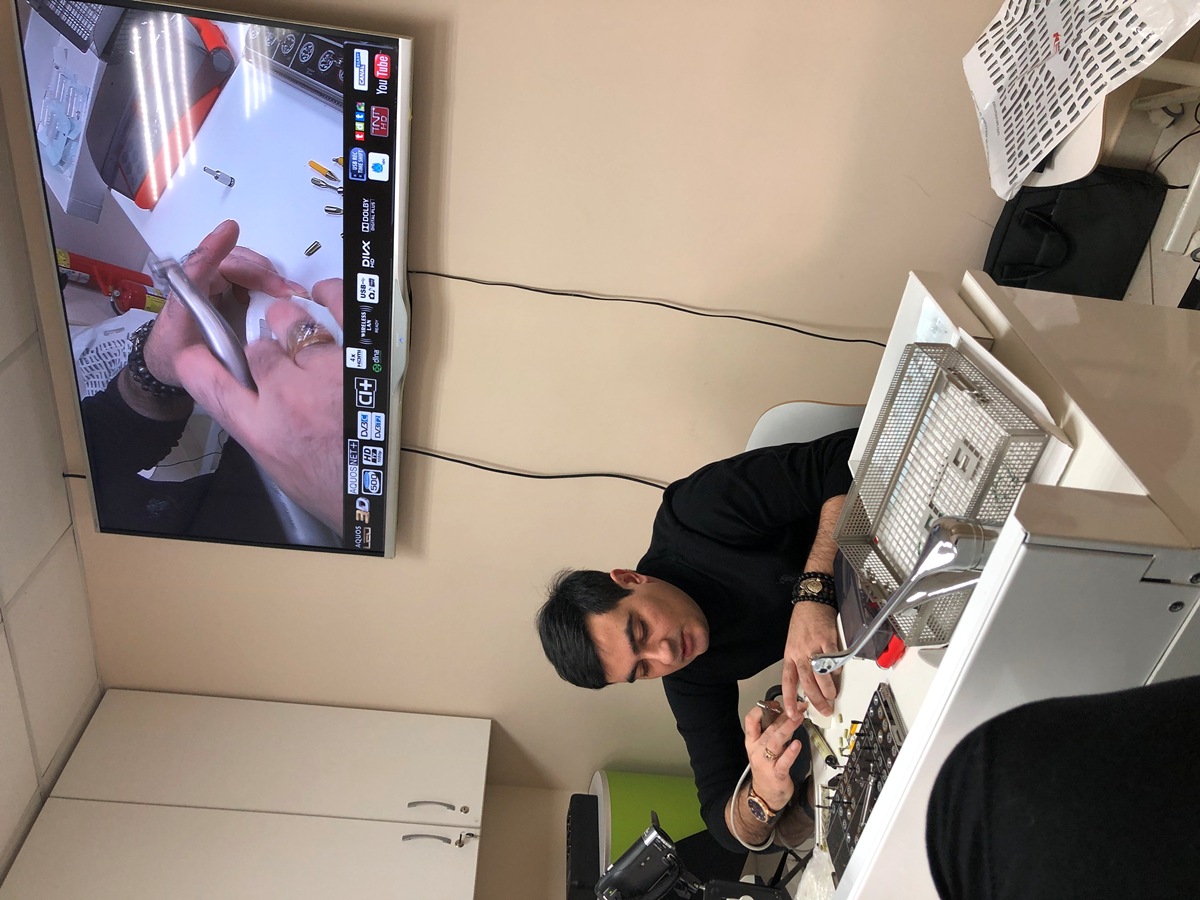
There were practical sessions on phantoms. Aliksan, who had never held a surgical drill in his life, turned one on a plastic model, feeling how important it was not to overheat the bone, not to angle the instrument

In the evenings the delegation sat in a Winterthur restaurant, discussing the future of implantology, arguing, joking, drinking wine. Aliksan listened to Russia's leading surgeons — about gingival papillae, gingival attachment, trabecular osteoincorporation. And he absorbed it all. Like a sponge.

He returned to Russia a different person. Now he could not just talk about surgery. He could feel it.

And so the phone numbers of Russia's finest surgeons and prosthodontists appeared in his notebook.

"You're unique," one of them told him.

The Return.
The Best Website Project.

Working at Zimmer Dental gave Aliksan a great deal: knowledge, connections, credibility, business trips. But after a year and a half he understood that his true calling was not product management but building websites. Clinic enquiries were coming in. A single website cost him the equivalent of his monthly salary at the distributor. And there was more than one enquiry a month.

"I'm losing money by turning clients away," he told himself.

At some point he made up his mind: he had to leave.

"Thank you," he said.

His old forty-page website was good. But it was three years old. He had sold it dozens of times. In some cities the project had already been deployed, and selling the same version a second time was impossible — websites must not be duplicates.

"A new project is needed. Even better. Even more beautiful. With video."

Aliksan moved out to the suburbs and focused on work. He bought vintage ONKYO speakers and an amplifier, and built the perfect website listening to a magnificent RY X concert. He bought up Shutterstock —

He set the price at one and a half times the previous one. Then he began showing clients two projects: the old one (with photo illustrations) and the new one (with video).

"Which do you prefer?"

Every single client chose the new one. Even at the higher price.

The project swept across Russia. Leading clinics from Moscow, Sochi, Krasnodar, Yekaterinburg, Novosibirsk, Nizhny Novgorod, Kazan — every city had a clinic that wanted this website. Launch time: two to three weeks.

But there was also a matter of principle. As soon as a website appeared in a given city, enquiries would start arriving from other clinics in that same city.

"Make us the same one."
"I can't. I can't sell it to two clinics in one city. That would be unfair to the first client."

He apologised. He refused. He lost money — deliberately. Because maintaining trust and uniqueness mattered to him.

To date, the flagship project — with video, Shutterstock imagery, the ideal

Going International.
Georgia, Armenia, Czech Republic

In 2021, the surgeon friends Aliksan had trained with at Zimmer travelled to Georgia and Armenia as mentors and speakers.

"Come with us," they said. "You can help with the presentations and get a break at the same time."

The training attracted many implant surgeons, several of them clinic owners. During the breaks Aliksan talked with them about their work, protocols, websites.

"What do you do?" asked one doctor from Batumi.

Aliksan opened the project on his laptop. The doctor watched for a minute

Then came DDC Dental — one of the best diagnostic centres in Yerevan. CT scanning, tooth scanning, 3D treatment planning. Aliksan didn't need much time to explain what any of it was — he already knew.

"You're easy to work with," said the centre's owner. "You understand what we're talking about."

The site was built in three languages — Russian, Armenian, English. His first international multilingual project.

In 2023 a letter arrived from the Czech Republic. A Russian-speaking doctor, a female surgeon, had found Aliksan's articles on the photo protocol.

"I need a website. The best one you have."

Aliksan was surprised — she worked in a two-person practice. That kind of website was usually ordered by large clinics. She replied with a phrase he never forgot:

"The internet is a place where it's easy to appear bigger than you are in real life. In real life it's hard for me to expand the clinic, hire new staff. But the internet is a space

Armenia.
Krechet and the Story of a Failure

He moved to Yerevan in 2022. He obtained citizenship. He registered as a sole trader.

Income from websites didn't drop — Russian clients stayed, kept ordering, kept recommending, and there was plenty of work. But he saw something that shook him.

The level of poverty in Armenia. People work twelve to fourteen hours a day. Craftsmen, jewellers, woodworkers, leather workers — they make breathtakingly beautiful things. But earn pennies. Why? They work on a small local market and never go international. And not going

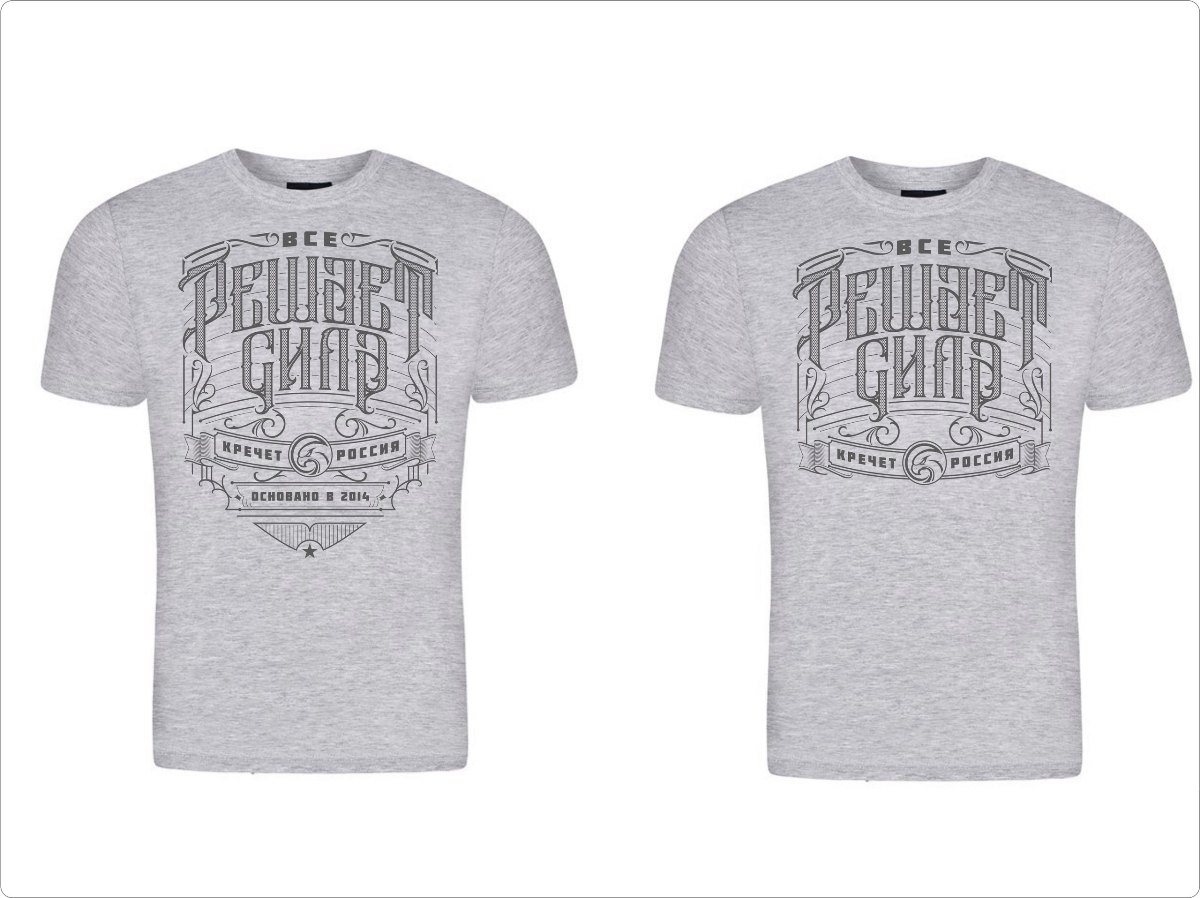
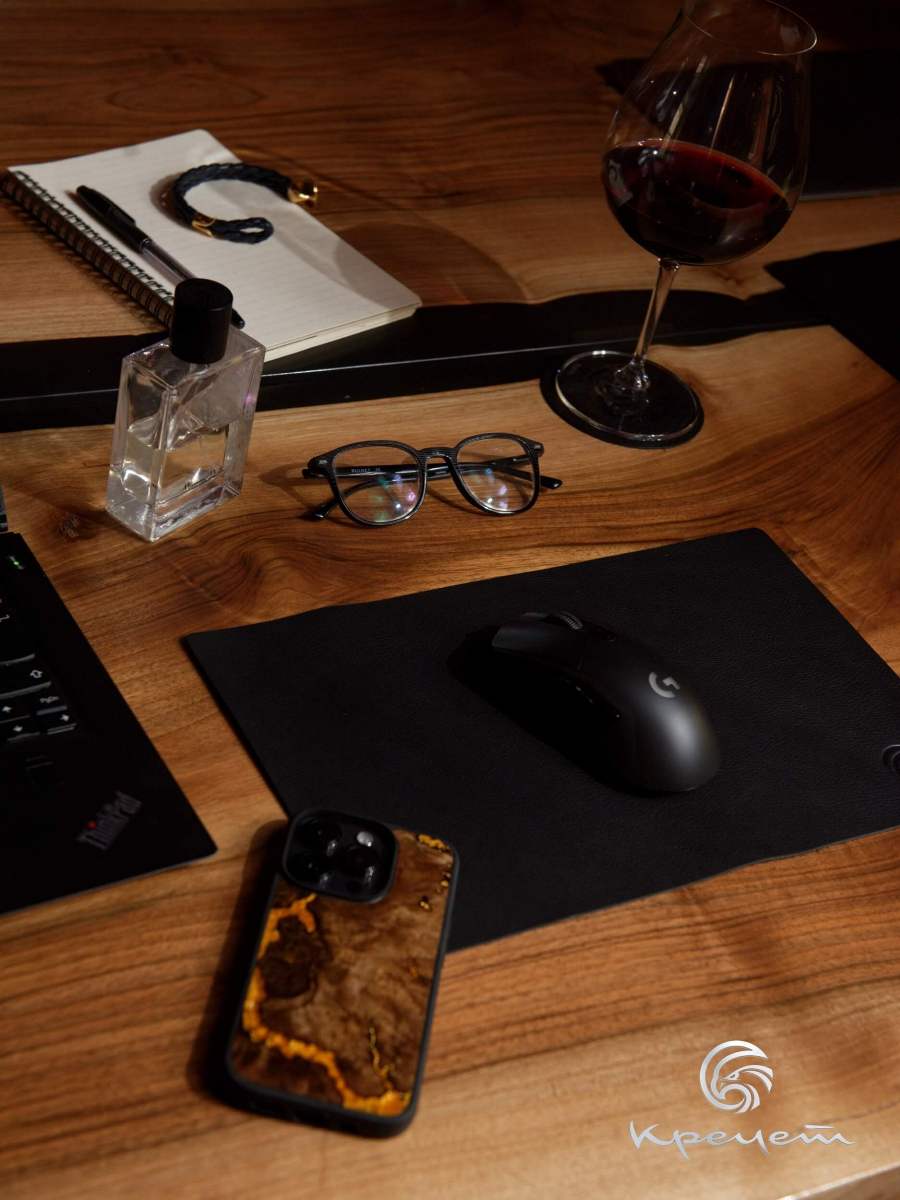
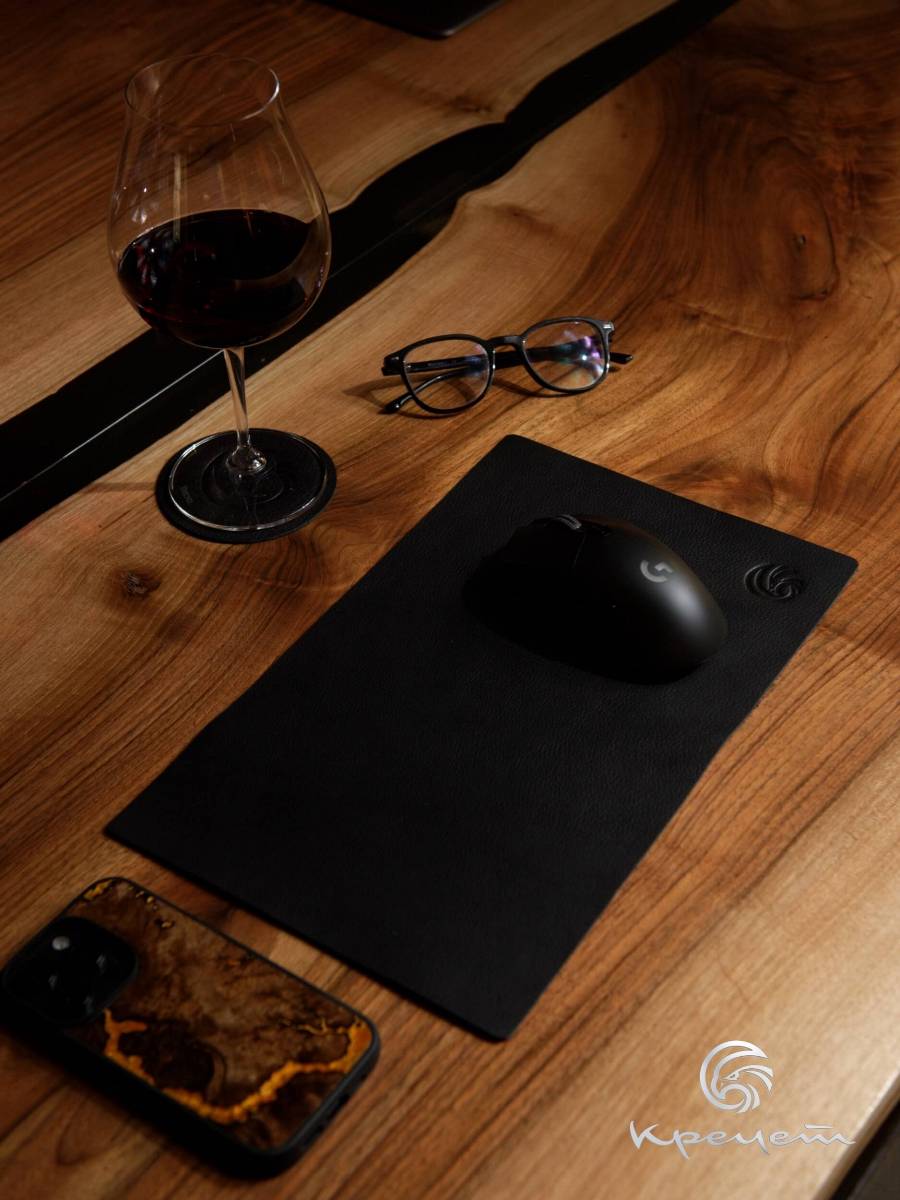
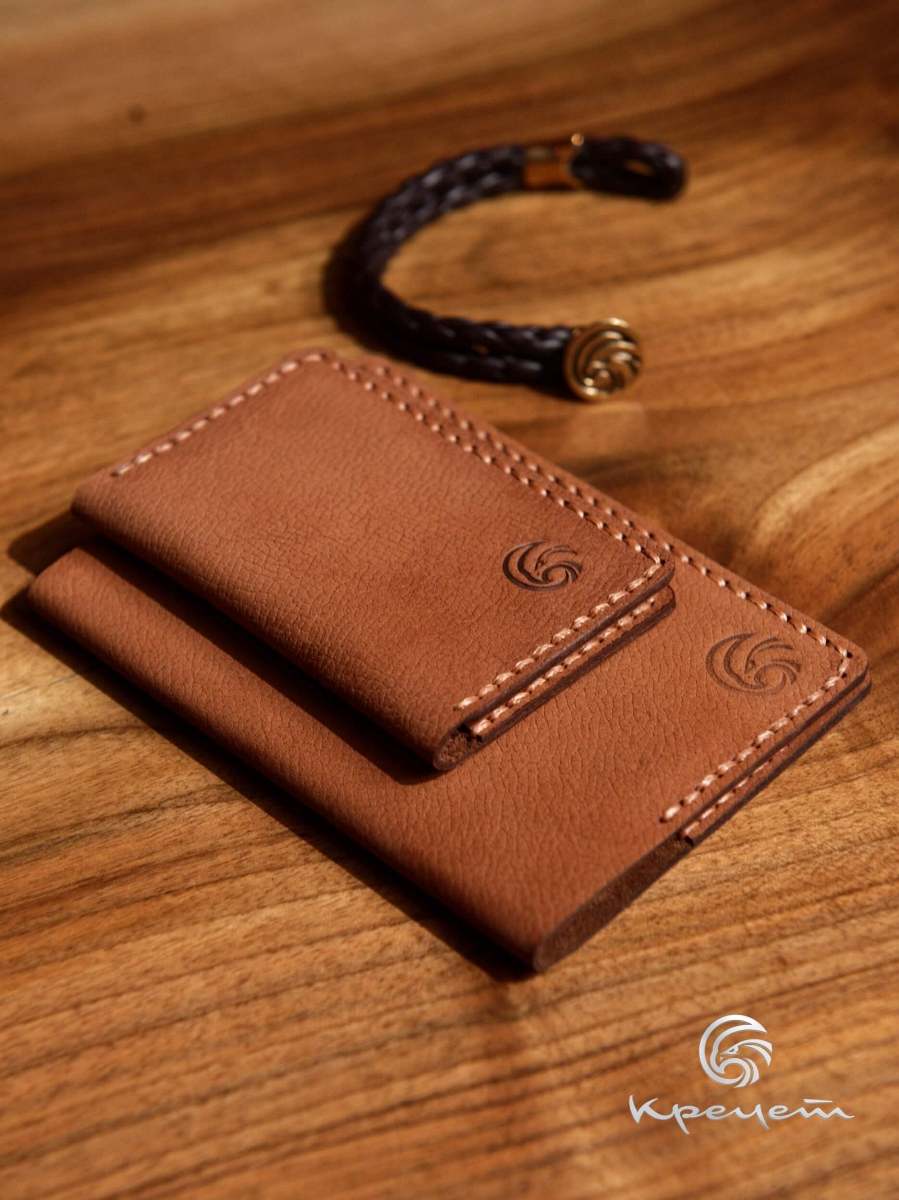
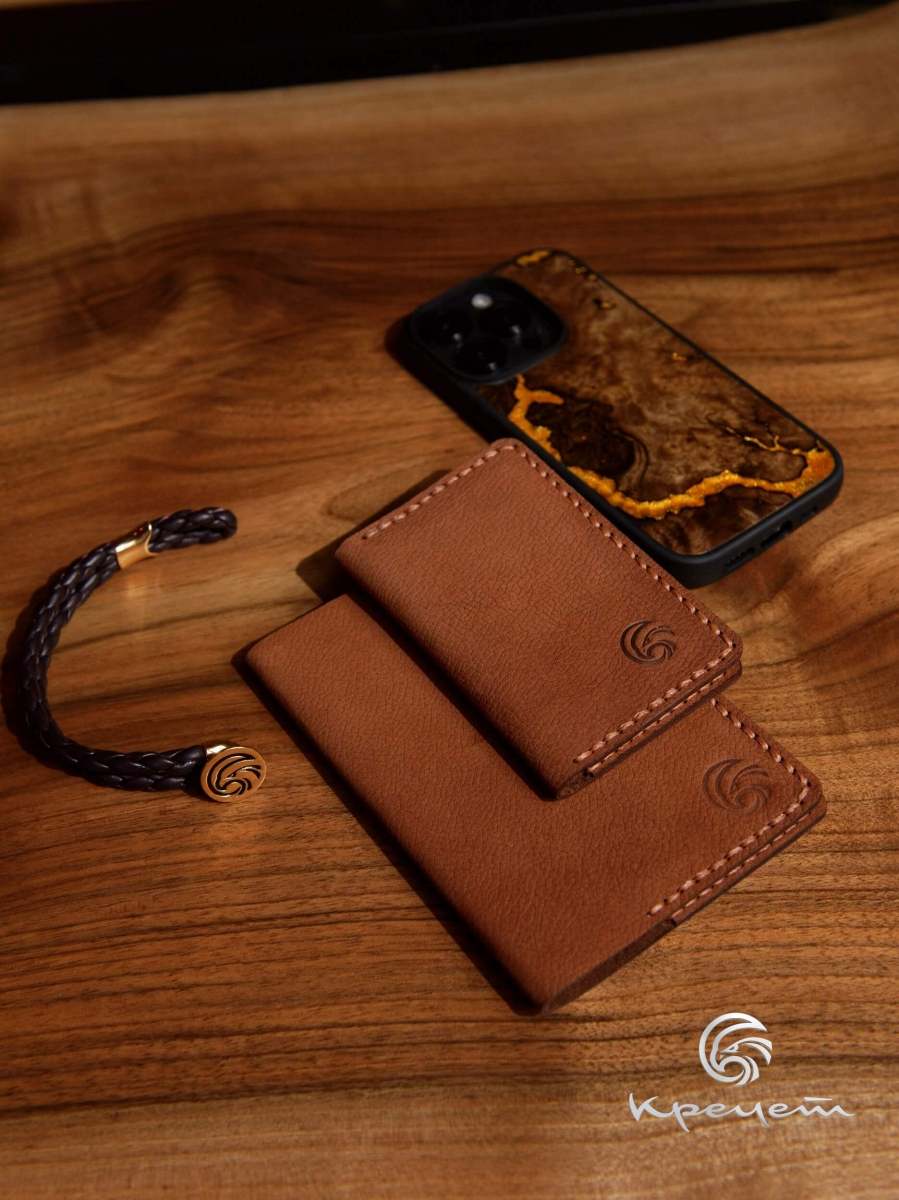
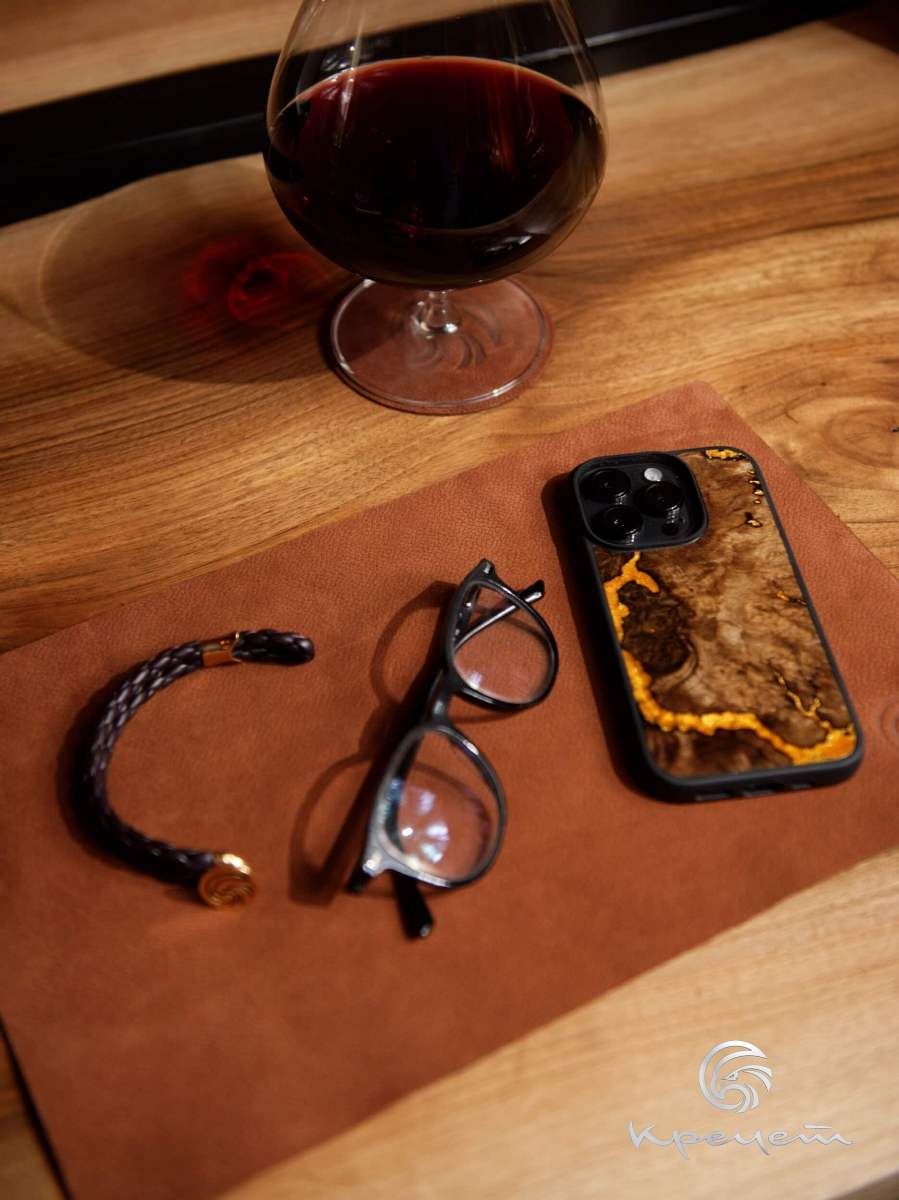
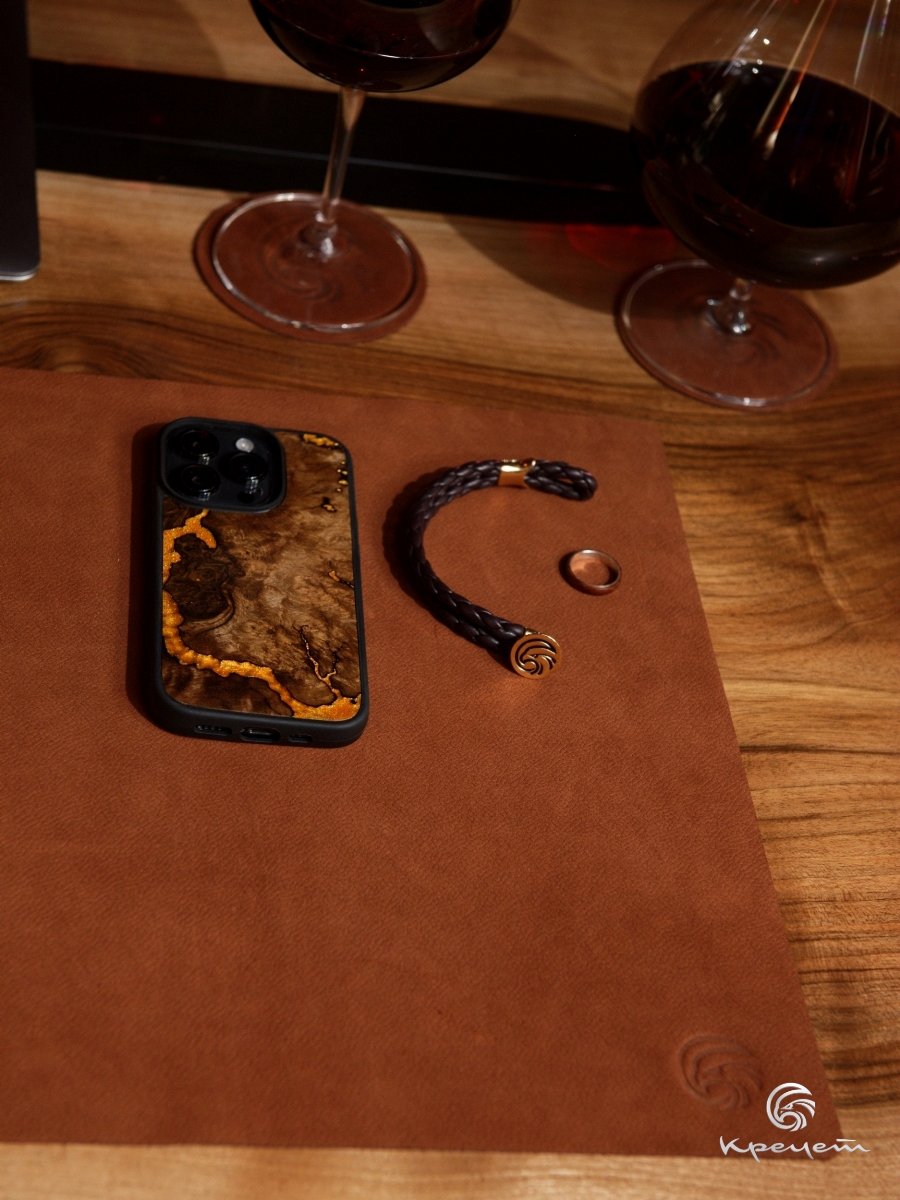
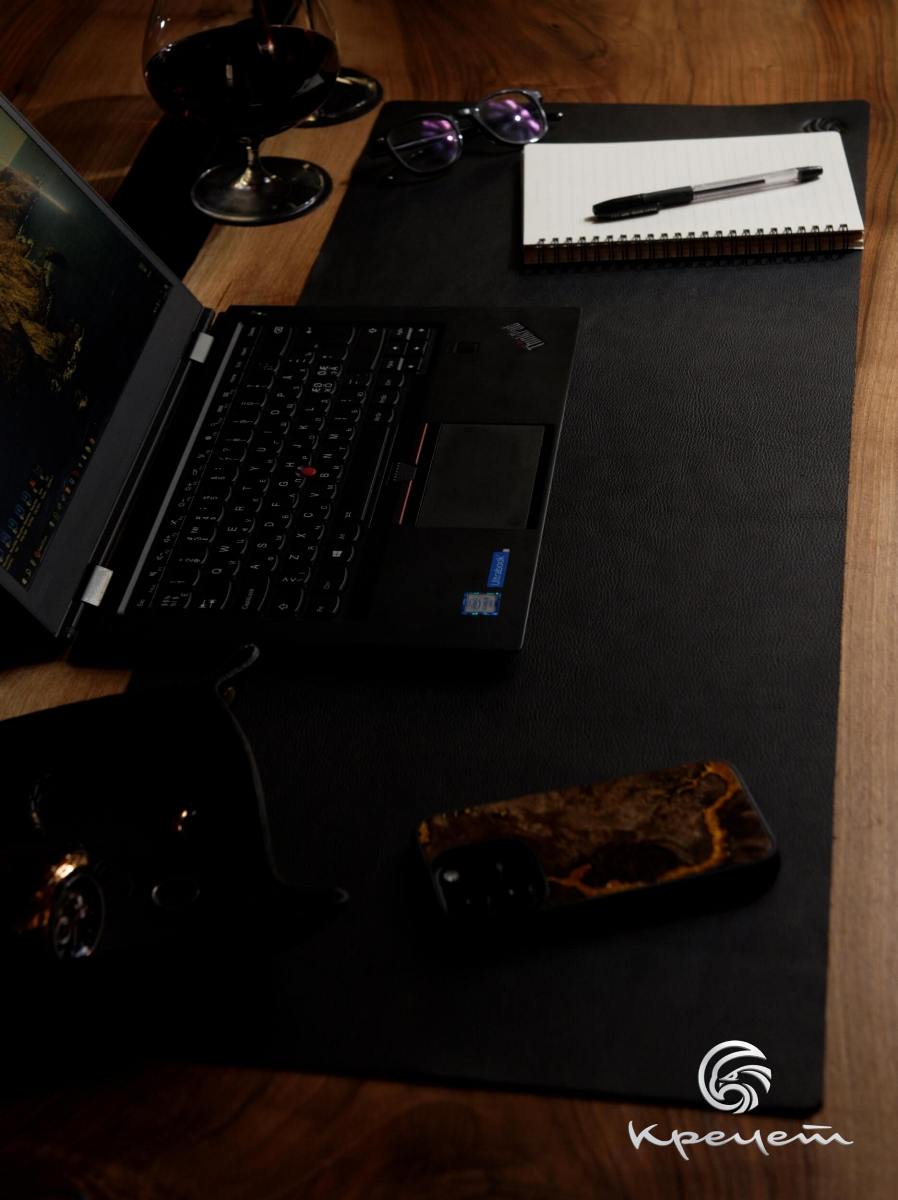
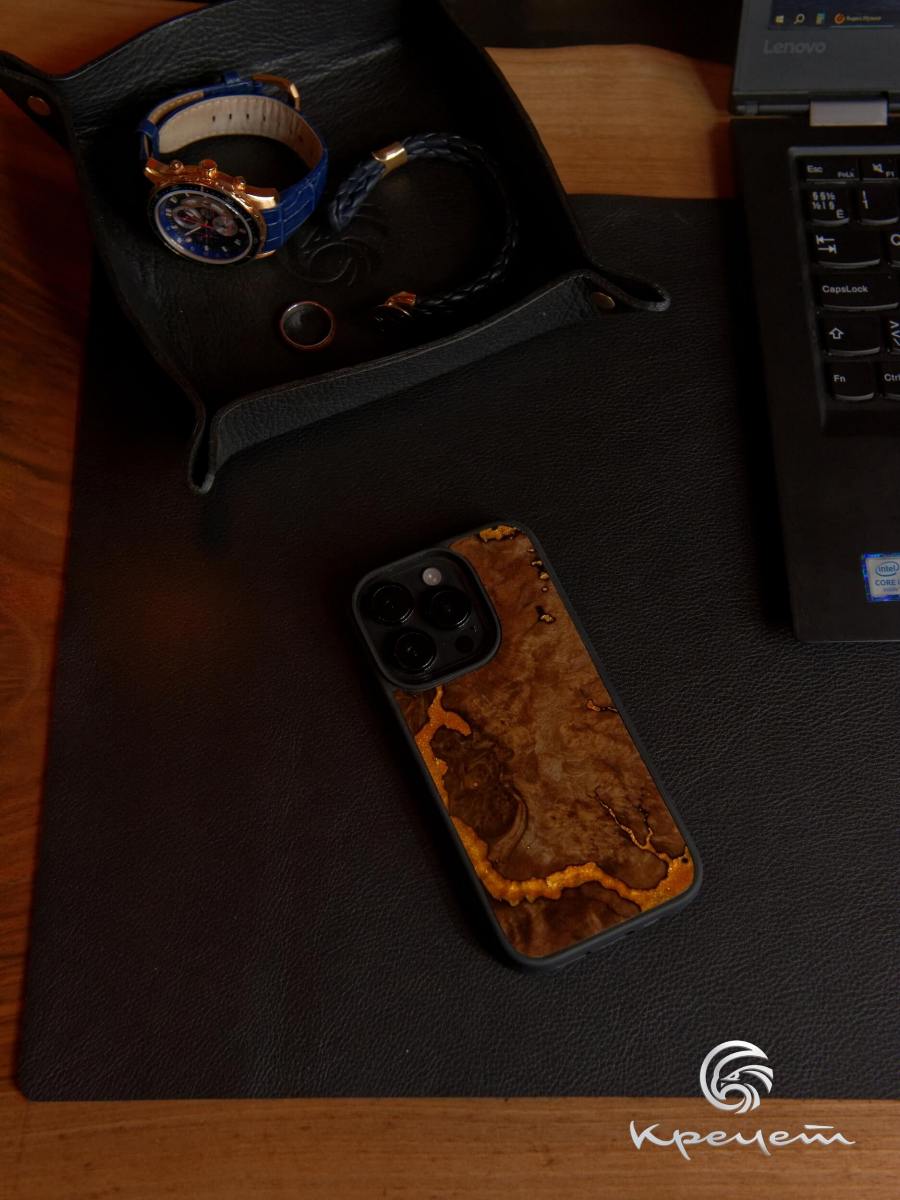
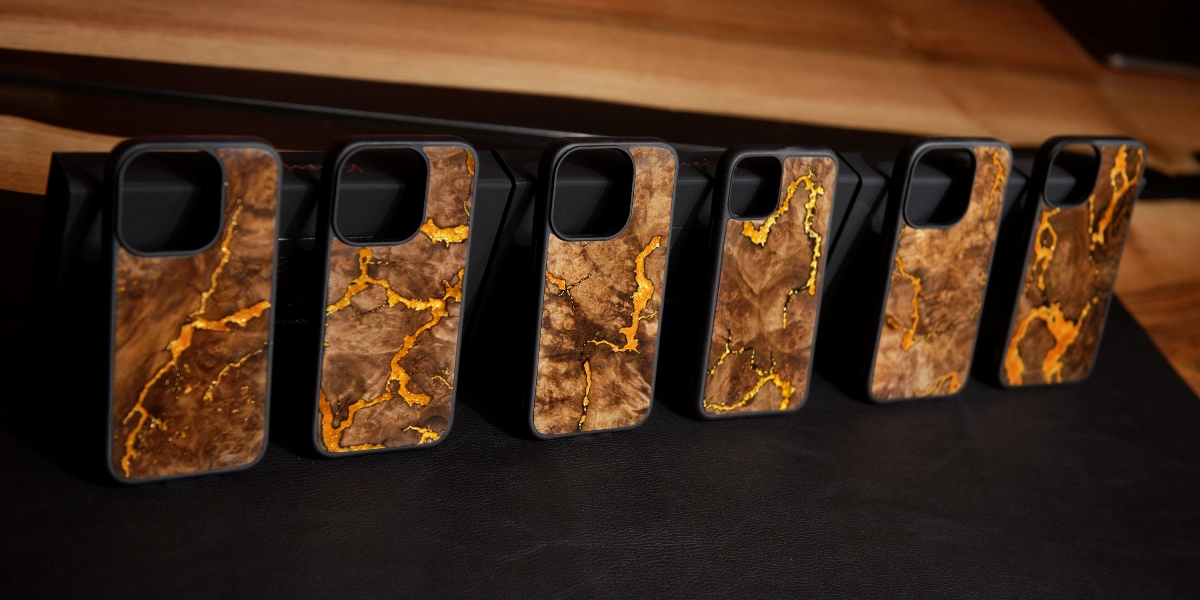
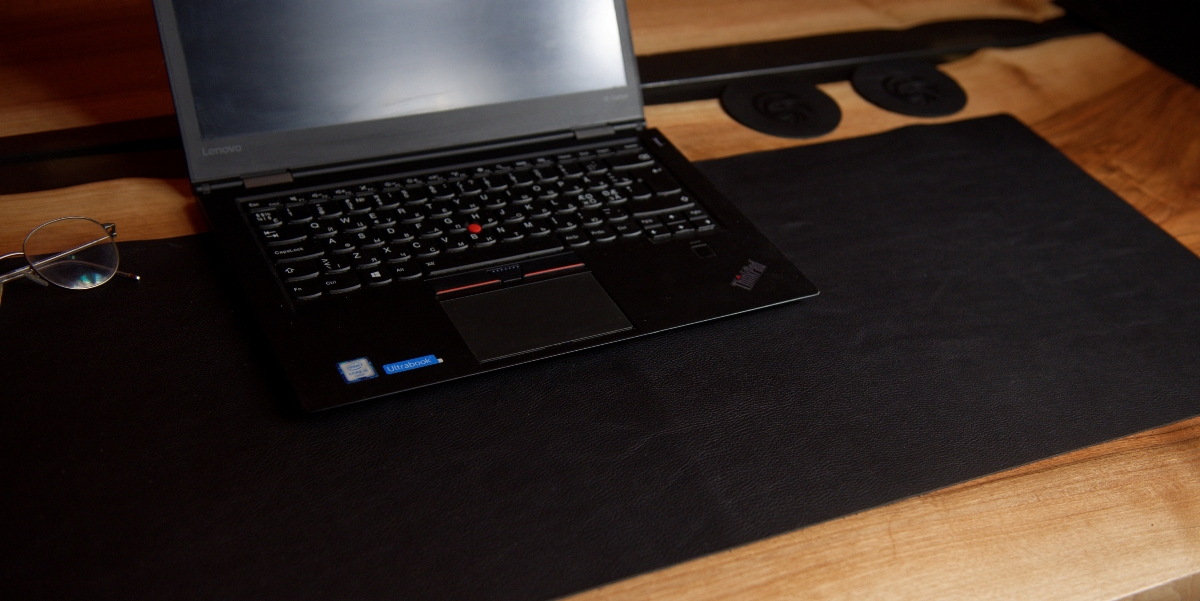
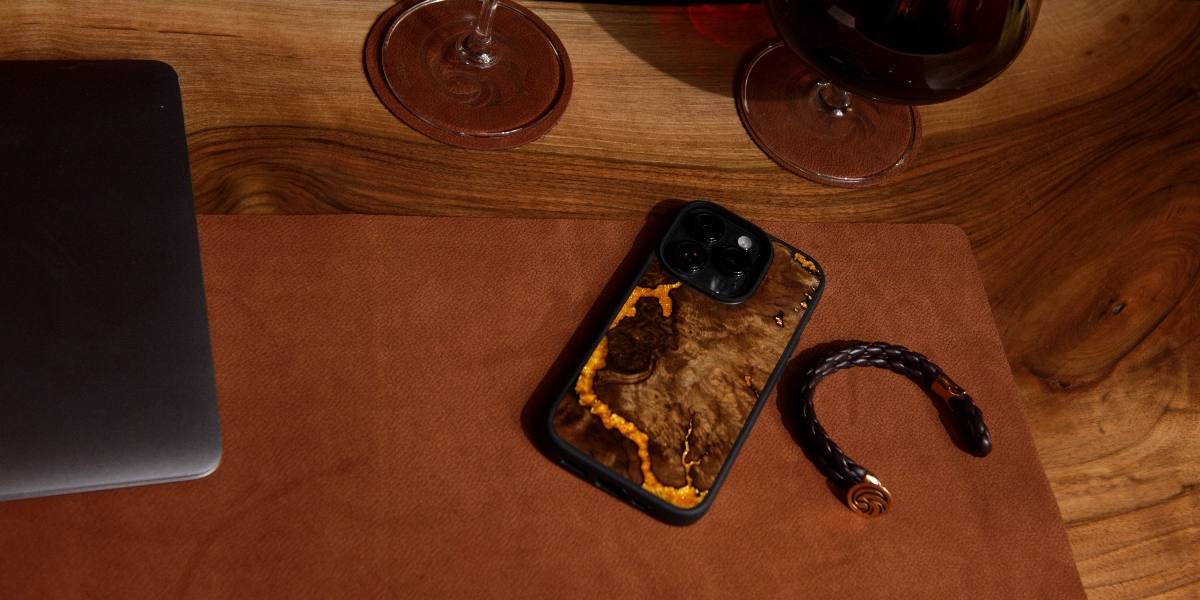
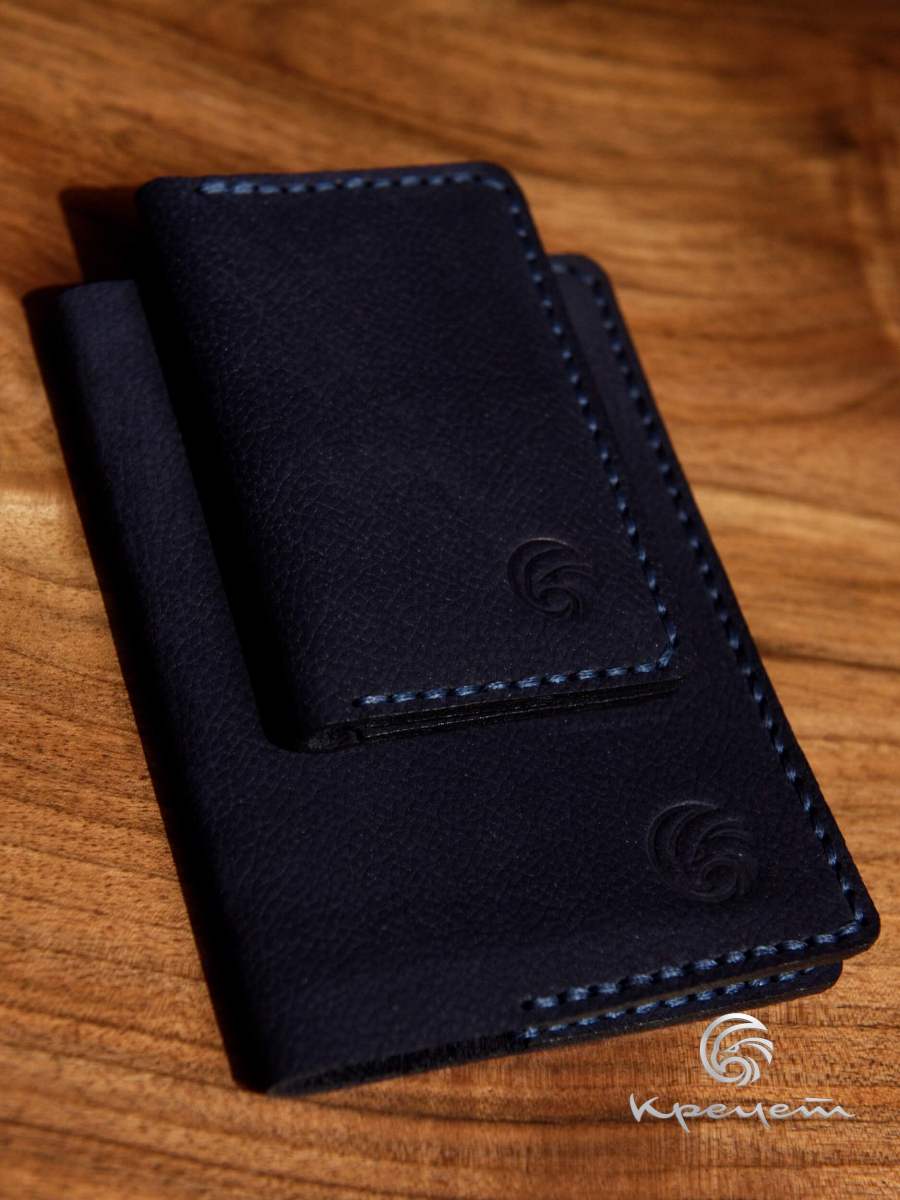
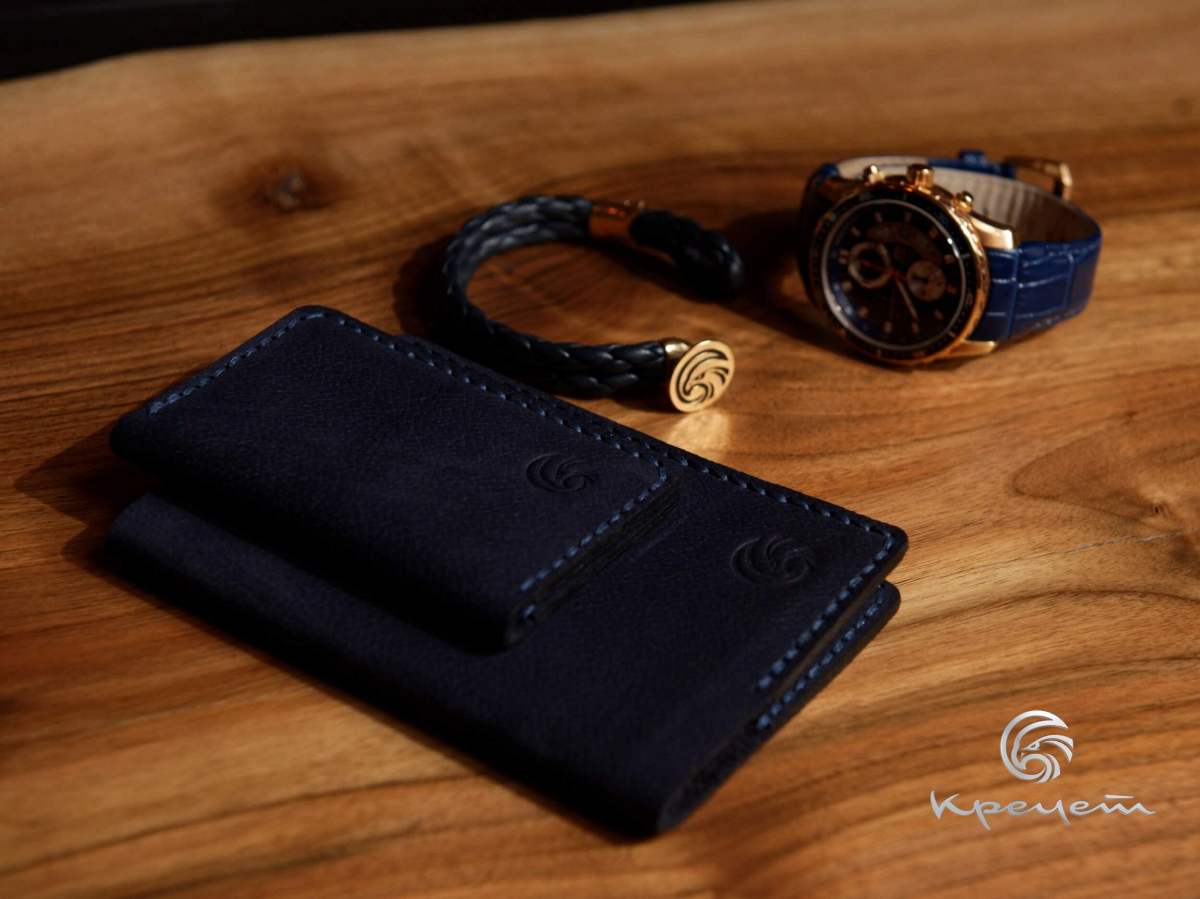
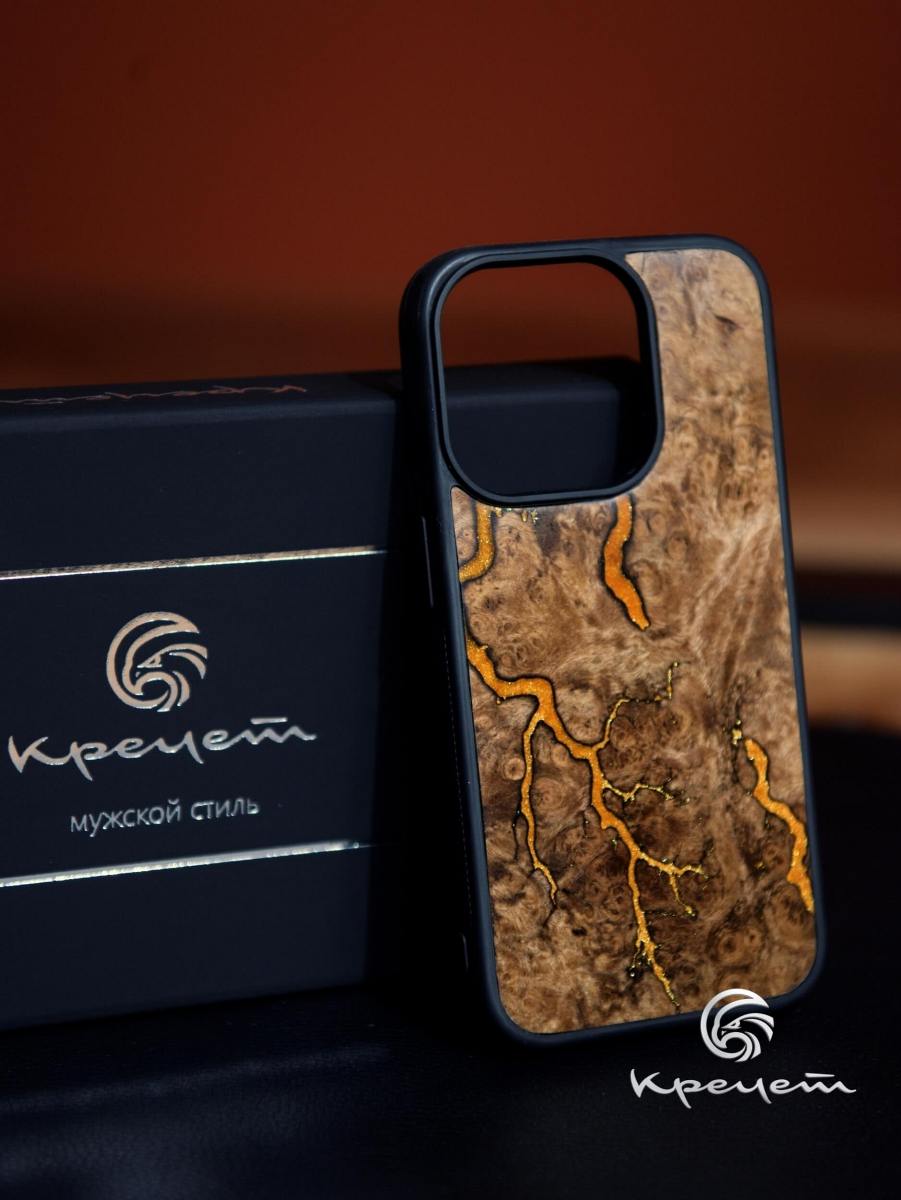
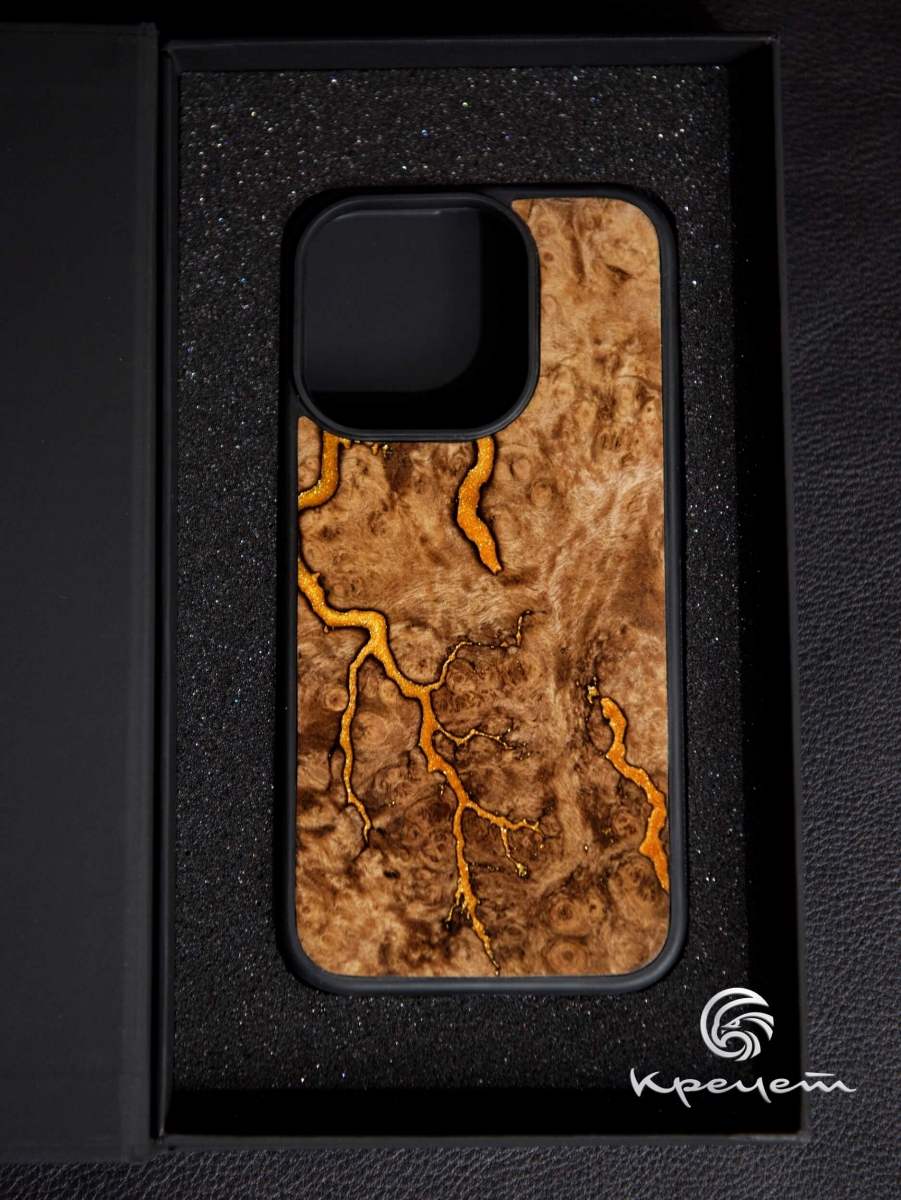
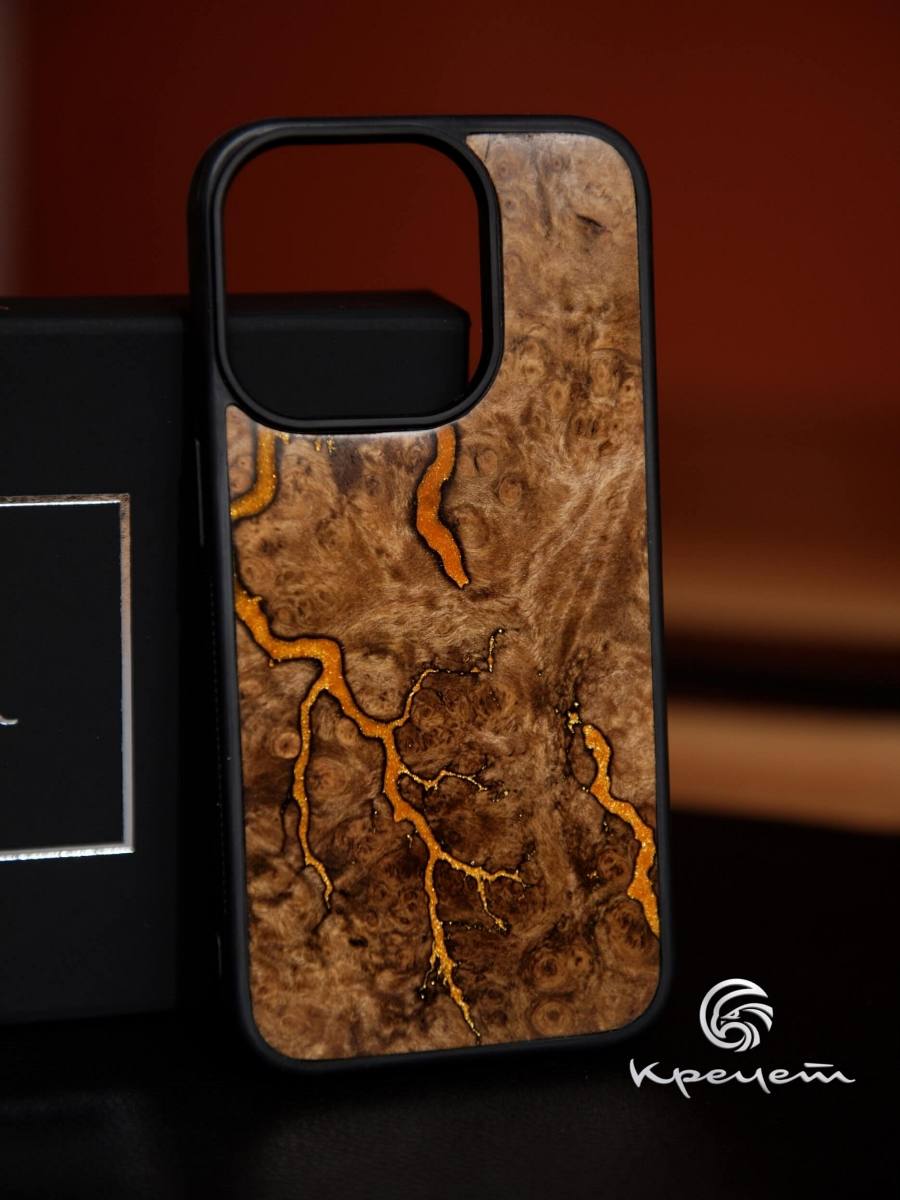
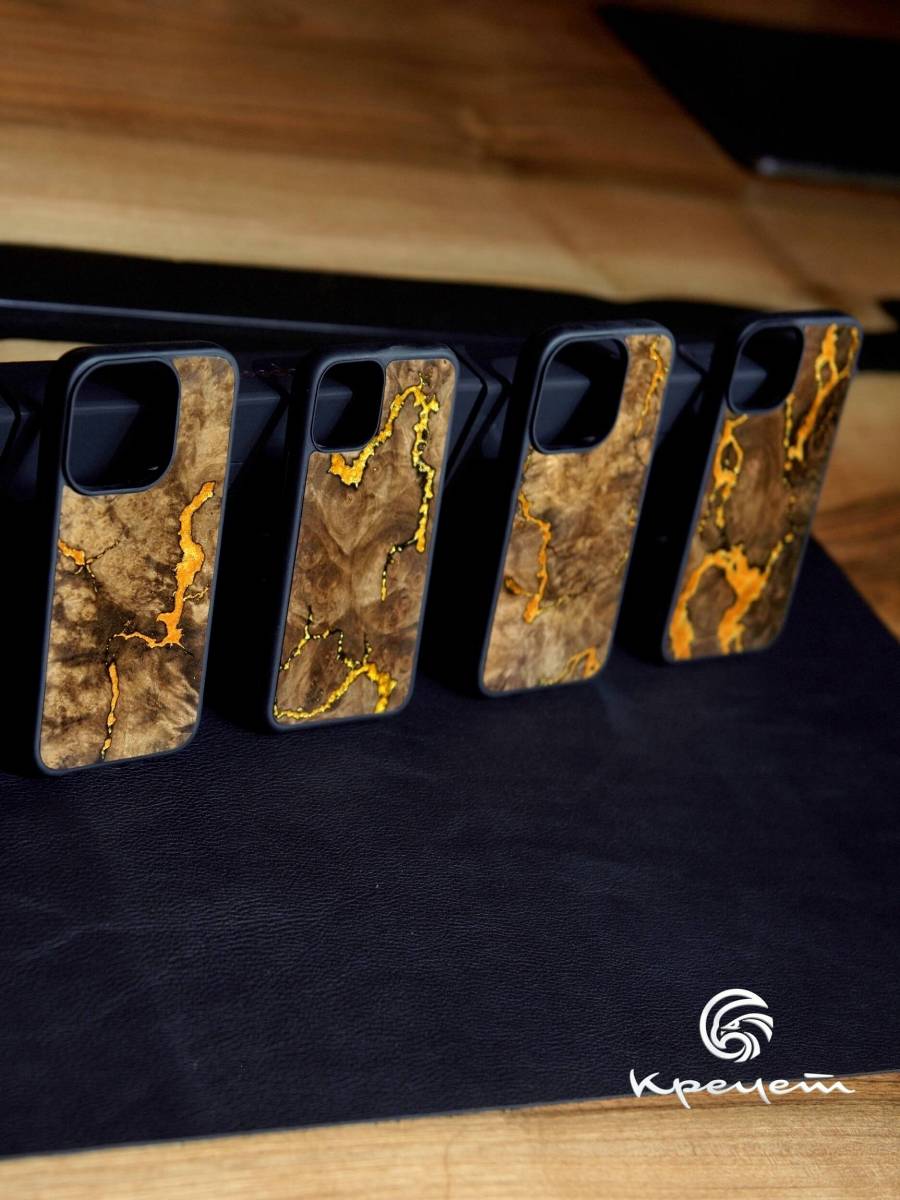
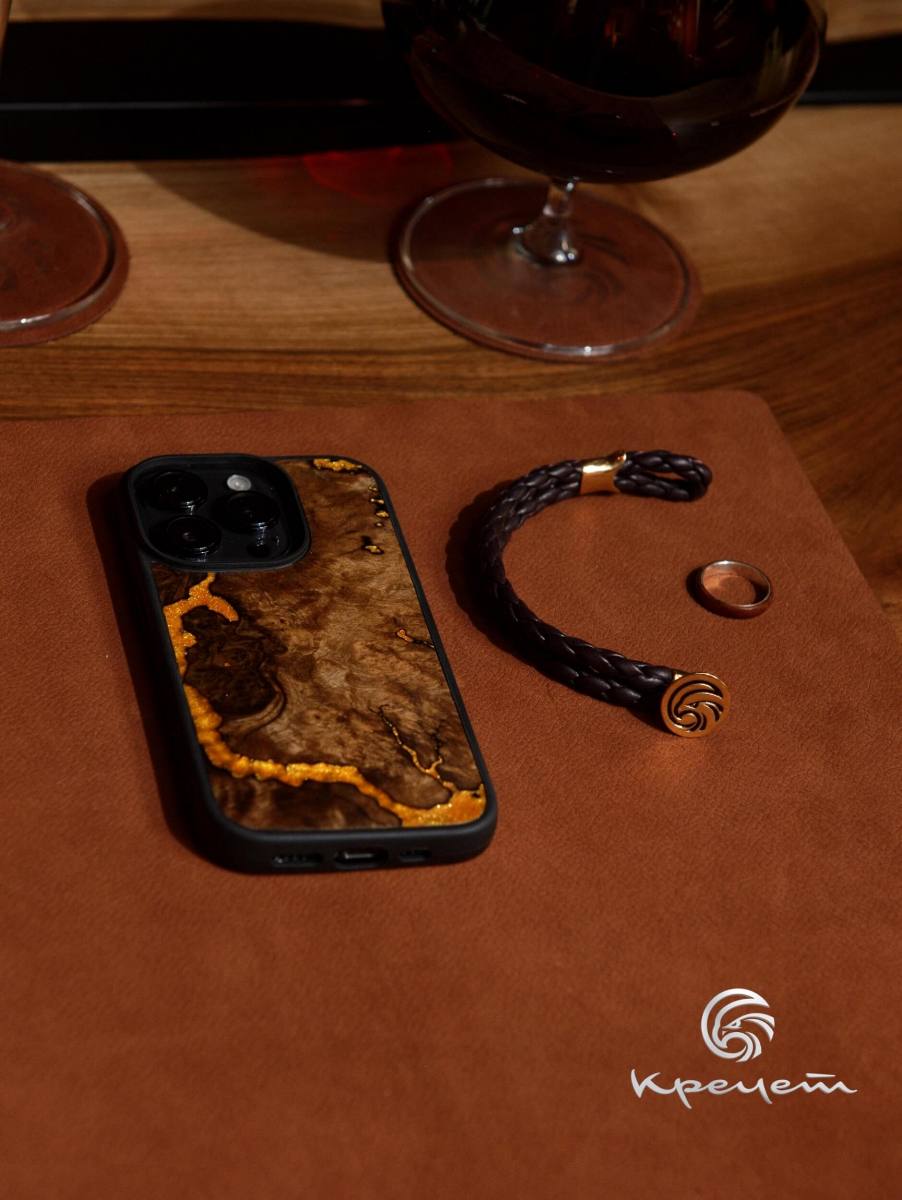
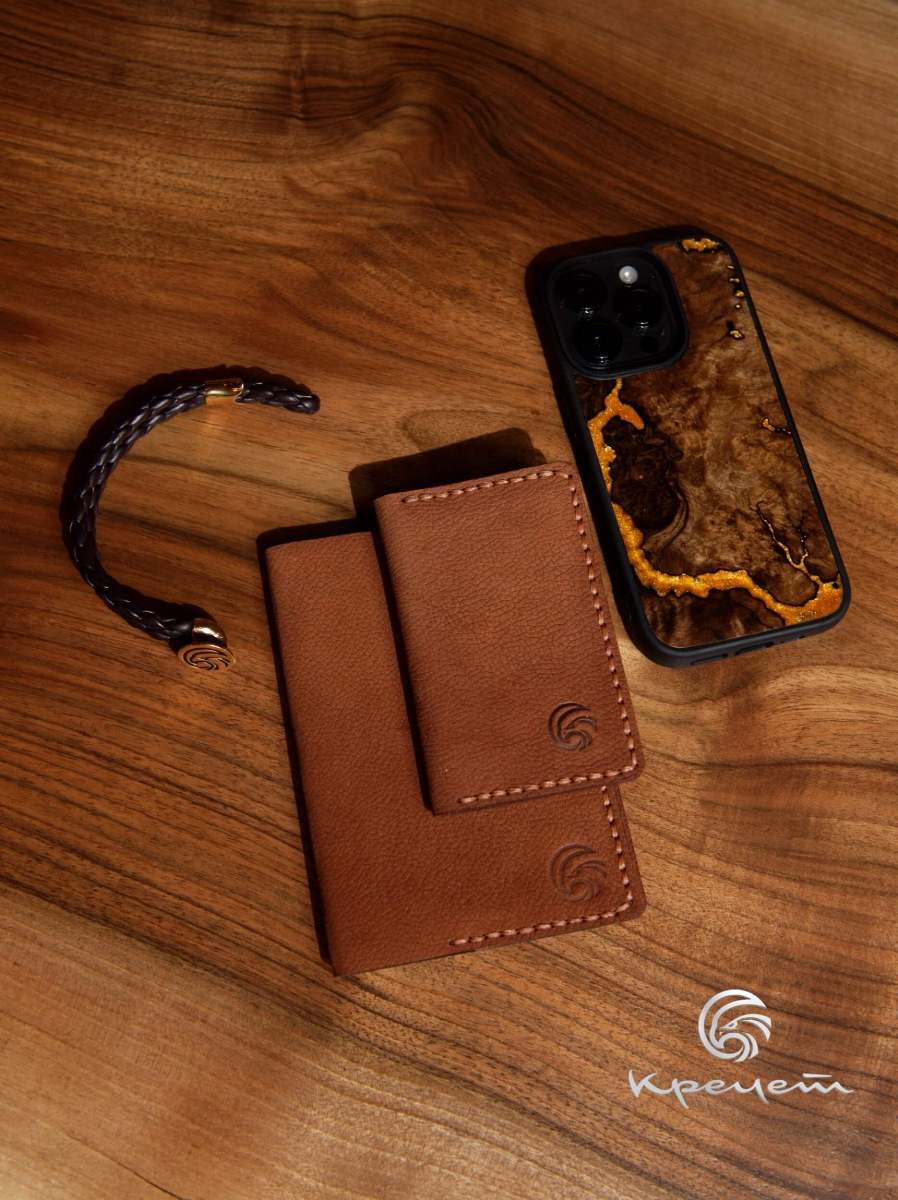
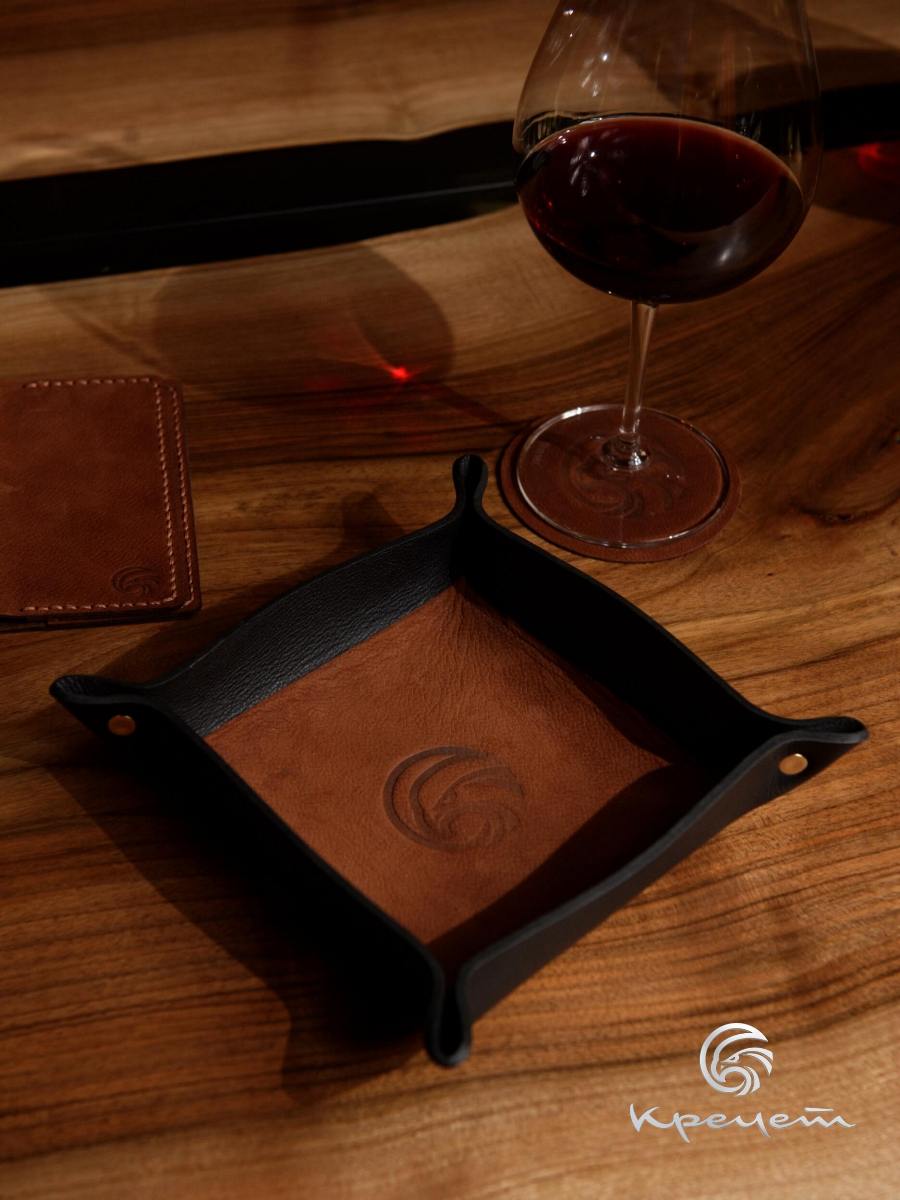
Aliksan decided to lead by example. He revived a men's brand from his past — Krechet. Men's accessories: phone cases made from natural walnut set in epoxy resin. Leather goods. All products handmade — Armenian craftsmen made them to his sketches. The packaging was premium: black, with a gold-embossed logo.

He listed the products on Ozon. Sales started flowing. People bought in Moscow, St. Petersburg, Novosibirsk.

But in February of the following year he learned: the Armenian government automatically

The business closed after six months. I lost around $10,000 invested in inventory.

"I failed," he says calmly. "Not because the product was bad, not because the Armenian craftsmen did poor work. But because small business regulation in Armenia killed my economics."

That failure taught him a great deal. You can't rely on one country. You can't build a business that
Neural Networks and the English Language

Translating a website into another language used to be hellish work. Every heading, every paragraph, every caption — copy, translate, paste into the code. One page — hours of work. Forty pages — a week of drudgery. And what if there are three languages?

Aliksan tried neural networks. He uploaded the text and asked it to translate with medical terminology and marketing nuances in mind. The AI handled it quickly — and well.

"If I had done this two years ago," says Aliksan, "I would have gone mad. Now it's simple."

He translated his flagship project into Portuguese and English, and published a portfolio site in English. Now any dental clinic director anywhere in the world can see what he offers. Orders come in not only from Russia and the post-Soviet space. European clients are appearing in his inbox.

"Doctors are surprised," he says. "They ask: 'Where did you study? What is your medical background?' And I answer: 'I'm not a surgeon.' They don't believe it. Because I speak their language."

In 2025 he travelled to Russia to negotiate with Lenmirit, a dental implant manufacturer. The negotiations had been going on for two years. In 2026 he began selling these implants in Armenia.

"Why Lenmiriot?"
"The population here is not wealthy. Swiss or American implants are expensive. Lenmirit is Russian-manufactured — good quality, high osseointegration, a fraction of the price. It's the ideal option for the Armenian market."

His friends Georgy and Mikhail — the very ones who started it all — became among the first surgeons in St. Petersburg to begin placing Lenmirit. The circle was complete.

Now Aliksan has two directions: ready-made premium websites for dental clinics worldwide — and the sale of Lenmirit implants in Armenia.

The Final Chapter.
Yerevan, a Convertible and Vanardi Wine

One day a clinic director sent Aliksan a short message: "Vyacheslav is coming to Yerevan. A few days. Seminars."

Vyacheslav Kulikov — one of Russia's most renowned implant surgeons, an aesthetics expert, educator and practitioner. Everyone who works seriously in this field knows his name.

Aliksan arrived in a convertible.

A Lexus SC430 — open-top, summery, a little too casual for a business meeting and for that reason exactly right for meeting a friend. Vyacheslav came out, saw the car, saw Aliksan — and hugged him the way you hug people you don't see often but are always glad to see.

Aliksan handed him the keys.

"Use it as long as you like. The car is yours for these days."

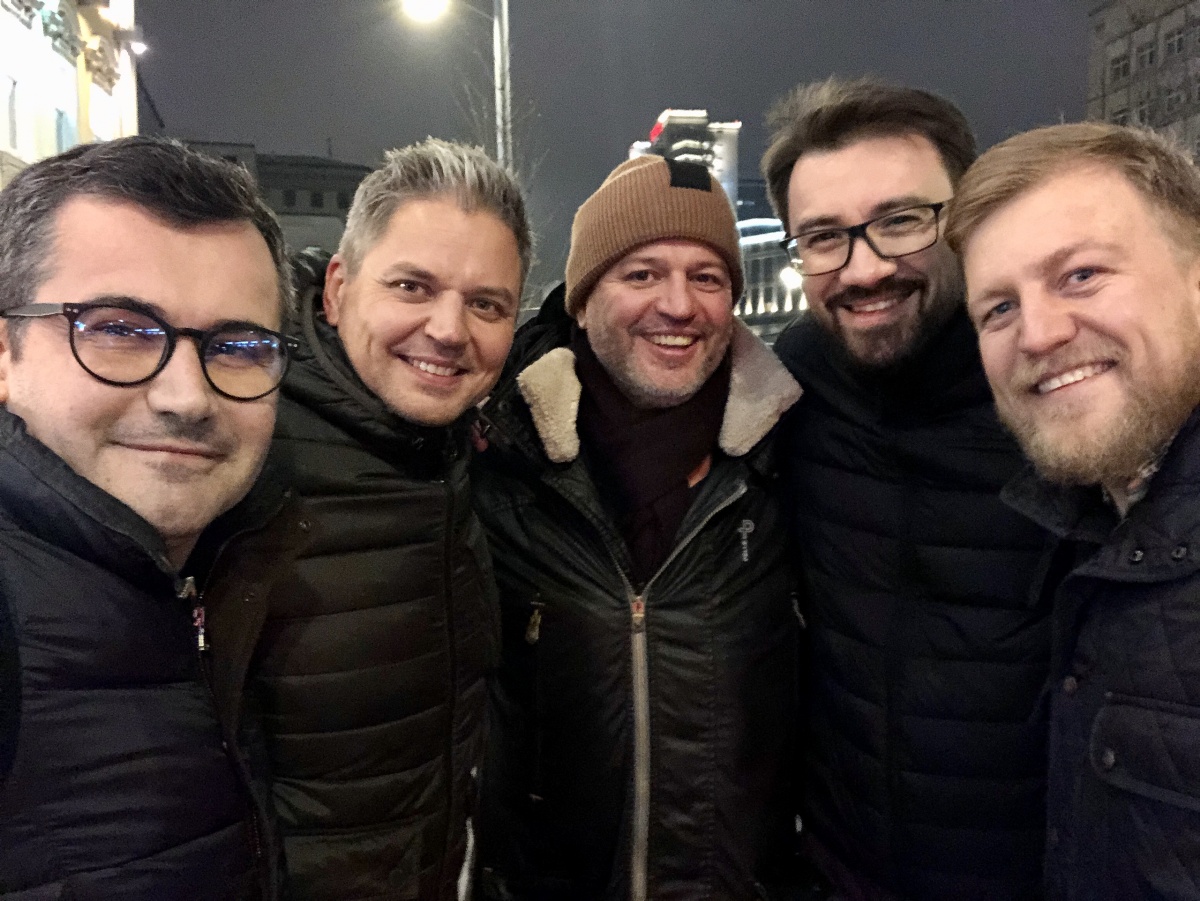
That evening they sat at a table. Vanardi in their glasses — Armenian wine, dark and warm, like Yerevan itself at this time of year. Cigars. The quiet conversation of two people bound by a shared endeavour that now belongs to the past.

"How did this happen?" asked Vyacheslav. "How did one person change this market so completely? How did you end up in dentistry at all?"

Aliksan was silent for a moment. Outside the window a Niva drove past with loud music. Somewhere far away, beyond the pink tuff rooftops, the outline of Ararat could be sensed — immense, calm, always present, even when invisible.

"Do you realise that you yourself are largely the answer to that question?"

"We become part of what surrounds us," said Aliksan. "I had two close surgeon friends. And I always loved beautiful design. That's how beautiful dental websites happened."

"You're unique," said Vyacheslav.
"No," replied Aliksan. "I simply took the best from my friends."

"Our trip to Winterthur and that congress you organised — it changed a great deal for me. You were telling me about the nuances of the perfect crown, about gingival attachment, about the difference in natural tooth anatomy. You were simply sharing, and I was listening. I consider you a true friend. A real one."

Aliksan has been living in Armenia for several years now. He feels at home — not because he got used to it, but because he chose it. Those are different things.

Over these years there has been much: more than two hundred websites across six countries, Switzerland, operating rooms, congresses, the first European project in the Czech Republic. A name that surgeons knew from professional chats long before they ever enquired about a website.

And it all began with one Saturday when a friend asked him to build a site.

The cigar burns down on the table. In the glass — the last sip of Vanardi. Outside, Yerevan lives its quiet, warm life. The market is vast. The protocols are the same everywhere. And good design needs no translation.

"To be continued," he smiles. "I'm only just getting started."